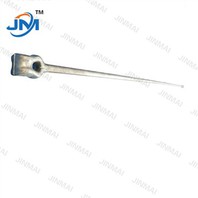
As a supplier of Cable Pole Hooks, I've encountered numerous inquiries about the export requirements for these essential components. Cable pole hooks play a crucial role in the installation and maintenance of cable systems, providing support and stability for various types of cables. In this blog, I'll delve into the key export requirements for cable pole hooks, covering aspects such as product standards, documentation, packaging, and more.
Product Standards and Quality Requirements
One of the primary considerations when exporting cable pole hooks is ensuring that they meet the relevant product standards and quality requirements of the target market. Different countries and regions may have specific standards and regulations governing the design, materials, and performance of cable pole hooks.
In the United States, for example, the National Electrical Safety Code (NESC) sets the standards for the installation and maintenance of electrical power and communication lines, including the use of cable pole hooks. Compliance with NESC requirements is essential for ensuring the safety and reliability of electrical systems.
In Europe, the European Committee for Electrotechnical Standardization (CENELEC) develops and publishes standards for electrical equipment, including cable pole hooks. Products exported to the European Union must comply with relevant CENELEC standards and obtain the necessary certifications, such as the CE mark.
Other countries may have their own national standards and regulations, so it's important to research and understand the specific requirements of the target market before exporting cable pole hooks. Working with a reputable testing and certification agency can help ensure that your products meet the required standards and obtain the necessary certifications.
Documentation Requirements
In addition to meeting product standards, exporting cable pole hooks also requires the preparation and submission of various documentation. The specific documentation requirements may vary depending on the destination country, the type of product, and the shipping method.
One of the most important documents for exporting cable pole hooks is the commercial invoice. The commercial invoice provides detailed information about the product, including the description, quantity, value, and origin. It also includes information about the buyer and seller, such as their names, addresses, and contact information.
Another important document is the packing list. The packing list provides a detailed breakdown of the contents of each package, including the quantity, description, and weight of the cable pole hooks. It helps customs officials verify the contents of the shipment and ensure that it matches the information provided on the commercial invoice.
Depending on the destination country, you may also need to provide additional documentation, such as a certificate of origin, a bill of lading, and a phytosanitary certificate. A certificate of origin is a document that certifies the country of origin of the product. It's often required for customs clearance and may be used to determine the applicable tariff rates.


A bill of lading is a document issued by the carrier that acknowledges the receipt of the goods and serves as a contract of carriage. It includes information about the shipment, such as the origin, destination, and contents.
A phytosanitary certificate is a document that certifies that the product is free from pests and diseases. It's often required for agricultural products and may be required for cable pole hooks if they are made from wood or other organic materials.
Packaging and Labeling Requirements
Proper packaging and labeling are essential for protecting cable pole hooks during transit and ensuring that they comply with the requirements of the target market. The packaging should be designed to withstand the rigors of transportation and prevent damage to the product.
When packaging cable pole hooks, it's important to use high-quality materials that provide adequate protection. This may include using sturdy boxes, pallets, or crates, and wrapping the hooks in protective materials such as bubble wrap or foam.
In addition to protecting the product, the packaging should also be labeled correctly. The label should include information about the product, such as the description, quantity, and weight. It should also include any relevant safety warnings or instructions.
Depending on the destination country, there may be specific labeling requirements for cable pole hooks. For example, some countries may require the label to be in the local language or include specific information about the product, such as the country of origin or the applicable standards.
Shipping and Logistics Considerations
Shipping and logistics are also important considerations when exporting cable pole hooks. Choosing the right shipping method and carrier can help ensure that your products are delivered safely and on time.
There are several shipping methods available for exporting cable pole hooks, including air freight, sea freight, and land freight. Air freight is the fastest option but is also the most expensive. Sea freight is a more cost-effective option for large shipments but takes longer to deliver. Land freight is often used for shipments within a specific region or country.
When choosing a carrier, it's important to consider factors such as their reputation, reliability, and pricing. Working with a reputable freight forwarder can help you navigate the complex process of shipping and logistics and ensure that your products are delivered safely and on time.
In addition to choosing the right shipping method and carrier, it's also important to consider the insurance requirements for your shipment. Insuring your shipment can help protect you against losses or damages that may occur during transit.
Customs Clearance and Duties
Customs clearance is an important part of the export process for cable pole hooks. When your shipment arrives at the destination country, it will need to go through customs clearance before it can be released for delivery.
Customs clearance involves the inspection of the shipment by customs officials to ensure that it complies with the relevant regulations and requirements. This may include verifying the accuracy of the documentation, inspecting the product for compliance with safety and quality standards, and assessing any applicable duties and taxes.
The amount of duties and taxes that you'll need to pay will depend on several factors, including the value of the product, the country of origin, and the destination country. It's important to research and understand the applicable duties and taxes before exporting cable pole hooks to avoid any unexpected costs.
Working with a customs broker can help simplify the customs clearance process and ensure that your shipment is cleared quickly and efficiently. A customs broker can help you prepare and submit the necessary documentation, communicate with customs officials on your behalf, and ensure that you comply with all relevant regulations and requirements.
Conclusion
Exporting cable pole hooks requires careful planning and preparation to ensure that your products meet the relevant standards and requirements of the target market. By understanding the product standards, documentation requirements, packaging and labeling requirements, shipping and logistics considerations, and customs clearance and duties, you can increase your chances of success in the international market.
As a supplier of Cable Pole Hooks, I'm committed to providing high-quality products that meet the needs of our customers. If you're interested in purchasing cable pole hooks or have any questions about the export requirements, please don't hesitate to contact me. I'd be happy to discuss your specific needs and provide you with more information about our products and services.
References
- National Electrical Safety Code (NESC)
- European Committee for Electrotechnical Standardization (CENELEC)
- International Chamber of Commerce (ICC) Incoterms
- World Customs Organization (WCO) Harmonized System (HS)
Remember to replace the links in the text as follows:
- For "Pigtail Hook Bolts", insert the link Pigtail Hook Bolts
- For "Hardware Pole Line Hook", insert the link Hardware Pole Line Hook
- For "Cable Pole Hook", insert the link Cable Pole Hook
The final text with links:
As a supplier of Cable Pole Hooks, I've encountered numerous inquiries about the export requirements for these essential components. Cable pole hooks play a crucial role in the installation and maintenance of cable systems, providing support and stability for various types of cables. In this blog, I'll delve into the key export requirements for cable pole hooks, covering aspects such as product standards, documentation, packaging, and more.
Product Standards and Quality Requirements
One of the primary considerations when exporting cable pole hooks is ensuring that they meet the relevant product standards and quality requirements of the target market. Different countries and regions may have specific standards and regulations governing the design, materials, and performance of cable pole hooks.
In the United States, for example, the National Electrical Safety Code (NESC) sets the standards for the installation and maintenance of electrical power and communication lines, including the use of cable pole hooks. Compliance with NESC requirements is essential for ensuring the safety and reliability of electrical systems.
In Europe, the European Committee for Electrotechnical Standardization (CENELEC) develops and publishes standards for electrical equipment, including cable pole hooks. Products exported to the European Union must comply with relevant CENELEC standards and obtain the necessary certifications, such as the CE mark.
Other countries may have their own national standards and regulations, so it's important to research and understand the specific requirements of the target market before exporting cable pole hooks. Working with a reputable testing and certification agency can help ensure that your products meet the required standards and obtain the necessary certifications.
Documentation Requirements
In addition to meeting product standards, exporting cable pole hooks also requires the preparation and submission of various documentation. The specific documentation requirements may vary depending on the destination country, the type of product, and the shipping method.
One of the most important documents for exporting cable pole hooks is the commercial invoice. The commercial invoice provides detailed information about the product, including the description, quantity, value, and origin. It also includes information about the buyer and seller, such as their names, addresses, and contact information.
Another important document is the packing list. The packing list provides a detailed breakdown of the contents of each package, including the quantity, description, and weight of the cable pole hooks. It helps customs officials verify the contents of the shipment and ensure that it matches the information provided on the commercial invoice.
Depending on the destination country, you may also need to provide additional documentation, such as a certificate of origin, a bill of lading, and a phytosanitary certificate. A certificate of origin is a document that certifies the country of origin of the product. It's often required for customs clearance and may be used to determine the applicable tariff rates.
A bill of lading is a document issued by the carrier that acknowledges the receipt of the goods and serves as a contract of carriage. It includes information about the shipment, such as the origin, destination, and contents.
A phytosanitary certificate is a document that certifies that the product is free from pests and diseases. It's often required for agricultural products and may be required for cable pole hooks if they are made from wood or other organic materials.
Packaging and Labeling Requirements
Proper packaging and labeling are essential for protecting cable pole hooks during transit and ensuring that they comply with the requirements of the target market. The packaging should be designed to withstand the rigors of transportation and prevent damage to the product.
When packaging cable pole hooks, it's important to use high-quality materials that provide adequate protection. This may include using sturdy boxes, pallets, or crates, and wrapping the hooks in protective materials such as bubble wrap or foam.
In addition to protecting the product, the packaging should also be labeled correctly. The label should include information about the product, such as the description, quantity, and weight. It should also include any relevant safety warnings or instructions.
Depending on the destination country, there may be specific labeling requirements for cable pole hooks. For example, some countries may require the label to be in the local language or include specific information about the product, such as the country of origin or the applicable standards.
Shipping and Logistics Considerations
Shipping and logistics are also important considerations when exporting cable pole hooks. Choosing the right shipping method and carrier can help ensure that your products are delivered safely and on time.
There are several shipping methods available for exporting cable pole hooks, including air freight, sea freight, and land freight. Air freight is the fastest option but is also the most expensive. Sea freight is a more cost-effective option for large shipments but takes longer to deliver. Land freight is often used for shipments within a specific region or country.
When choosing a carrier, it's important to consider factors such as their reputation, reliability, and pricing. Working with a reputable freight forwarder can help you navigate the complex process of shipping and logistics and ensure that your products are delivered safely and on time.
In addition to choosing the right shipping method and carrier, it's also important to consider the insurance requirements for your shipment. Insuring your shipment can help protect you against losses or damages that may occur during transit.
Customs Clearance and Duties
Customs clearance is an important part of the export process for cable pole hooks. When your shipment arrives at the destination country, it will need to go through customs clearance before it can be released for delivery.
Customs clearance involves the inspection of the shipment by customs officials to ensure that it complies with the relevant regulations and requirements. This may include verifying the accuracy of the documentation, inspecting the product for compliance with safety and quality standards, and assessing any applicable duties and taxes.
The amount of duties and taxes that you'll need to pay will depend on several factors, including the value of the product, the country of origin, and the destination country. It's important to research and understand the applicable duties and taxes before exporting cable pole hooks to avoid any unexpected costs.
Working with a customs broker can help simplify the customs clearance process and ensure that your shipment is cleared quickly and efficiently. A customs broker can help you prepare and submit the necessary documentation, communicate with customs officials on your behalf, and ensure that you comply with all relevant regulations and requirements.
Conclusion
Exporting cable pole hooks requires careful planning and preparation to ensure that your products meet the relevant standards and requirements of the target market. By understanding the product standards, documentation requirements, packaging and labeling requirements, shipping and logistics considerations, and customs clearance and duties, you can increase your chances of success in the international market.
As a supplier of Cable Pole Hooks, I'm committed to providing high-quality products that meet the needs of our customers. If you're interested in purchasing cable pole hooks or have any questions about the export requirements, please don't hesitate to contact me. I'd be happy to discuss your specific needs and provide you with more information about our products and services.
References
- National Electrical Safety Code (NESC)
- European Committee for Electrotechnical Standardization (CENELEC)
- International Chamber of Commerce (ICC) Incoterms
- World Customs Organization (WCO) Harmonized System (HS)