As a seasoned supplier of ADSS cable fittings, I've witnessed firsthand the diverse and critical role these components play in the realm of telecommunications and power distribution. ADSS (All-Dielectric Self-Supporting) cables are widely used due to their unique properties, such as being non-metallic, lightweight, and offering excellent electrical insulation. To ensure the proper installation, operation, and longevity of these cables, a variety of specialized fittings are required. In this blog post, I'll delve into the different types of ADSS cable fittings and shed light on their functions and applications.
Suspension Fittings
Suspension fittings are fundamental to the installation of ADSS cables. They are designed to support the cable’s weight and withstand the mechanical stresses imposed by environmental factors such as wind, ice, and temperature variations. One of the most common types of suspension fittings is the preformed suspension clamp. These clamps are made from high - strength aluminum alloy or composite materials and are pre - formed to fit the cable precisely. The pre - formed design allows for easy installation and provides uniform stress distribution along the cable, reducing the risk of cable damage.
Another type of suspension fitting is the helical suspension clamp. Helical clamps are wound around the cable in a helical pattern, providing a firm grip. They are particularly useful in areas with high wind loads or where the cable needs to be suspended over long spans. These clamps are often used in conjunction with other accessories, such as vibration dampers, to further enhance the cable's stability.
Tension Fittings
Tension fittings are used to terminate the ADSS cable at the end of a span or at a junction point. They are responsible for transferring the cable's tension to the supporting structure. Dead - end fittings are a common type of tension fitting. These fittings are designed to anchor the cable securely at the end of a line. They typically consist of a body, a wedge, and a grip. The wedge is inserted into the body, and as the cable is pulled, the wedge tightens, creating a strong grip on the cable.
Another important tension fitting is the strain clamp. Strain clamps are used to apply tension to the cable during installation and to maintain the proper tension throughout the cable's service life. They are often used in combination with turnbuckles or other tension - adjusting devices to ensure the cable is under the correct amount of stress.
Vibration Dampers
Vibration dampers are essential accessories for ADSS cables. Cables can experience vibrations due to wind or other external forces, and if left unchecked, these vibrations can cause fatigue and damage to the cable over time. Vibration dampers work by dissipating the energy of the vibrations, reducing their amplitude and frequency.

One common type of vibration damper is the Stockbridge damper. Stockbridge dampers consist of two weights attached to a cable by a clamping device. The weights oscillate in response to the cable's vibrations, absorbing and dissipating the energy. Another type of vibration damper is the tuned mass damper, which is designed to resonate at a specific frequency, effectively canceling out the vibrations at that frequency.
Armor Rods
Armor rods are used to protect the ADSS cable from mechanical damage, such as abrasion and bending. They are typically made of aluminum or steel and are installed around the cable at critical points, such as at suspension and tension points. Preformed Armor Rods are a popular choice as they are pre - formed to fit the cable precisely, providing a snug and protective fit. Armor rods distribute the stress evenly along the cable, preventing concentrated stress points that could lead to cable failure.
Grounding Fittings
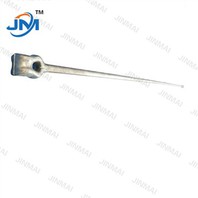
Grounding is a crucial aspect of ADSS cable installation to ensure safety and proper electrical performance. Grounding fittings are used to connect the cable to the ground. One important grounding fitting is the Forged Auger Ground Anchor Ground Spike. These spikes are driven into the ground and provide a low - resistance path for electrical current to flow in the event of a fault.
Grounding clamps are also used to connect the cable's grounding conductor to the ground anchor or other grounding points. They ensure a secure and reliable electrical connection, protecting the cable and the surrounding equipment from electrical surges.
Cross Arms
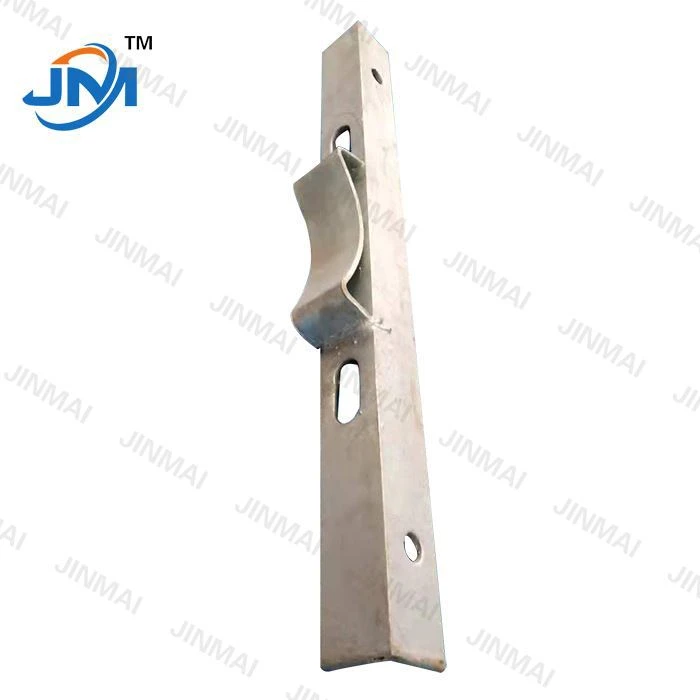
Cross Arm of Power Fittings are used to support the ADSS cable and other electrical components on utility poles. They are typically made of wood, steel, or composite materials and are designed to withstand the weight of the cables and the mechanical forces exerted on them. Cross arms provide a stable platform for the installation of suspension and tension fittings, ensuring the proper alignment and spacing of the cables.
Conclusion
In conclusion, the types of ADSS cable fittings are diverse, each serving a specific and critical function in the installation, operation, and protection of ADSS cables. From suspension and tension fittings that support the cable's weight and transfer tension, to vibration dampers that protect against cable fatigue, and grounding fittings that ensure safety, every component plays a vital role.
As a supplier of ADSS cable fittings, I am committed to providing high - quality products that meet the strictest industry standards. Whether you are involved in a small - scale telecommunications project or a large - scale power distribution network, having the right ADSS cable fittings is essential for the success and longevity of your installation.
If you are in the market for ADSS cable fittings, I encourage you to reach out for a detailed discussion. We can work together to determine the most suitable fittings for your specific project requirements. Our team of experts is ready to assist you with technical advice, product selection, and any other support you may need. Let's ensure your ADSS cable installation is a success.
References
- Electrical Power Transmission and Distribution Handbook, McGraw - Hill
- Cable Installation and Maintenance Guidelines, Telecommunications Industry Association