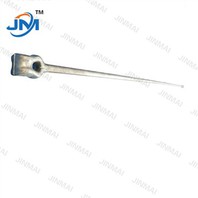
Markings on a steel angle cross arm serve multiple important purposes, from ensuring safety and compliance to facilitating proper installation and maintenance. As a supplier of Steel Angle Cross Arms, I have witnessed firsthand the significance of these markings in the electrical and utility industries. In this blog, I will delve into the various types of markings found on steel angle cross arms, their meanings, and why they are crucial for the effective use of these products.
Identification Markings
One of the primary types of markings on a steel angle cross arm is the identification marking. This marking typically includes information such as the manufacturer's name or logo, the part number, and the serial number. The manufacturer's name or logo helps to establish the origin of the cross arm, providing assurance to the end - user about the quality and reliability of the product. The part number is essential for ordering replacement parts or additional cross arms of the same specification. It allows for easy identification in the inventory management system of both the supplier and the customer. The serial number, on the other hand, provides a unique identifier for each individual cross arm. This can be used for tracking purposes, especially during the installation, inspection, and maintenance processes.
For example, if a particular cross arm shows signs of wear or damage during an inspection, the serial number can be used to trace its manufacturing date, batch information, and other relevant details. This can help in determining whether there are any potential issues with the entire batch or if it is an isolated problem with that specific cross arm.
Size and Dimension Markings
Accurate size and dimension markings are crucial for the proper installation of steel angle cross arms. These markings indicate the length, width, thickness, and angle of the cross arm. The length is usually marked in standard units such as meters or feet, and it determines how far the cross arm can extend from the pole. The width and thickness markings are important for ensuring that the cross arm has the necessary strength and load - bearing capacity to support the electrical cables or other equipment attached to it.
The angle marking is particularly important as it determines how the cross arm will be positioned on the pole. A misaligned cross arm can lead to uneven distribution of the load, which can cause premature wear and tear, and in some cases, even structural failure. For instance, if the angle marking indicates a 90 - degree angle and the cross arm is installed at a different angle, it can affect the stability of the entire overhead line system.
Load Rating Markings
Load rating markings are perhaps the most critical markings on a steel angle cross arm. These markings indicate the maximum amount of weight or load that the cross arm can safely support. The load can include the weight of the electrical cables, insulators, and any other equipment attached to the cross arm, as well as external factors such as wind, ice, and snow loads.
The load rating is determined through rigorous testing procedures by the manufacturer. It is essential for engineers and installers to pay close attention to these markings to ensure that the cross arm is not overloaded. Overloading a cross arm can lead to bending, deformation, or even collapse, which can pose a serious safety hazard to both the workers and the public. For example, in areas with heavy snowfall, the load rating marking will help in determining whether the cross arm can withstand the additional weight of the snow.
Material and Grade Markings
Material and grade markings provide information about the type of steel used in the manufacturing of the cross arm and its quality grade. Different types of steel have different properties such as strength, corrosion resistance, and ductility. The material marking will indicate whether the cross arm is made of carbon steel, stainless steel, or some other alloy.
The grade marking further specifies the quality and performance characteristics of the steel. For example, a higher - grade steel will generally have better strength and corrosion resistance compared to a lower - grade steel. This information is important for choosing the right cross arm for a particular application. In coastal areas where there is a high risk of corrosion, a cross arm made of stainless steel or a high - grade carbon steel with proper corrosion - resistant coating may be required.
Compliance Markings
Compliance markings indicate that the steel angle cross arm meets certain industry standards and regulations. These standards can be set by national or international organizations such as the International Electrotechnical Commission (IEC) or the American National Standards Institute (ANSI). Compliance markings can include symbols, logos, or text that indicate the specific standards that the cross arm has been tested and certified to meet.
Meeting these standards is crucial for ensuring the safety and reliability of the overhead line system. For example, a cross arm that is compliant with ANSI standards will have been tested for factors such as mechanical strength, electrical insulation, and fire resistance. This gives the end - user confidence that the product has been manufactured to a high level of quality and will perform as expected.
Installation and Orientation Markings
Installation and orientation markings are designed to guide the installers during the installation process. These markings can include arrows, dots, or other symbols that indicate the correct way to position the cross arm on the pole. For example, an arrow may point in the direction of the cable attachment, or a dot may mark the center point of the cross arm for alignment purposes.


Proper installation is essential for the long - term performance of the cross arm. Incorrect installation can lead to a variety of problems, including loose connections, increased stress on the cross arm, and reduced electrical performance. By following the installation and orientation markings, installers can ensure that the cross arm is installed correctly the first time, reducing the need for rework and potential safety hazards.
Importance of Markings in the Supply Chain
As a Steel Angle Cross Arm supplier, I understand the importance of these markings in the supply chain. The markings not only help in the proper use of the product but also in inventory management, quality control, and customer service.
For inventory management, the identification markings make it easy to track and manage the stock of cross arms. The part number and serial number can be used to quickly locate a specific cross arm in the warehouse, reducing the time and effort required for inventory searches.
In terms of quality control, the markings provide a way to ensure that the cross arms meet the required specifications. During the manufacturing process, the markings are checked to ensure that they are accurate and legible. Any cross arm with incorrect or missing markings can be identified and corrected before it is shipped to the customer.
For customer service, the markings help in providing accurate information to the customers. When a customer has a question about the size, load rating, or other specifications of a cross arm, the markings can be used to provide a quick and accurate answer. This helps in building trust and satisfaction with the customers.
Related Products and Their Applications
In addition to steel angle cross arms, there are other related products in the overhead line fitting industry. Electric Power Stringing is an important process that involves the installation of electrical cables on the cross arms. It requires a variety of tools and equipment to ensure that the cables are properly tensioned and secured.
Cable Accessories Iron Cross Arm is another product that is often used in conjunction with steel angle cross arms. These accessories can include insulators, clamps, and other devices that help in the proper attachment and protection of the cables.
Overhead Pole Line Hardware encompasses a wide range of products that are used in the construction and maintenance of overhead pole lines. This includes cross arms, pole top brackets, and other components that are essential for the safe and reliable operation of the electrical system.
Conclusion
In conclusion, the markings on a steel angle cross arm are not just random symbols or numbers. They play a vital role in ensuring the safety, reliability, and proper installation of the cross arm. As a supplier, I am committed to providing high - quality cross arms with accurate and clear markings.
If you are in the market for steel angle cross arms or any related overhead line fitting products, I encourage you to reach out for more information. We can provide you with detailed product specifications, pricing, and other relevant information. Our team of experts is always ready to assist you in choosing the right products for your specific needs. Whether you are involved in a small - scale electrical project or a large - scale utility installation, we have the products and expertise to meet your requirements. Contact us today to start a discussion about your procurement needs.
References
- Electrical Transmission and Distribution Reference Book, Westinghouse Electric Corporation
- National Electrical Safety Code (NESC)
- International Electrotechnical Commission (IEC) Standards