As a trusted supplier of metal stamping parts, I understand the critical role that corrosion resistance plays in the performance and longevity of these components across various environments. Metal stamping parts are used in a wide range of industries, from automotive and aerospace to electronics and construction. Each environment presents unique challenges in terms of corrosion, and meeting the specific requirements is essential for ensuring the reliability and durability of the parts.
Corrosion in Different Environments
Marine Environments
Marine environments are among the most corrosive settings due to the presence of saltwater, high humidity, and oxygen. Saltwater contains chloride ions that can penetrate the protective oxide layer on metal surfaces, leading to pitting corrosion and accelerated rusting. Metal stamping parts used in marine applications, such as shipbuilding, offshore platforms, and coastal infrastructure, need to have excellent corrosion resistance to withstand these harsh conditions.
Stainless steel is a popular choice for marine applications due to its high chromium content, which forms a passive oxide layer that protects the metal from corrosion. Grades such as 316 and 316L are particularly suitable for marine environments because they contain molybdenum, which enhances their resistance to pitting and crevice corrosion. Additionally, coatings such as epoxy, polyurethane, and zinc-rich primers can be applied to further improve the corrosion resistance of metal stamping parts in marine settings.
Industrial Environments
Industrial environments can vary widely in terms of the types of chemicals, gases, and pollutants present. Metal stamping parts used in industrial applications, such as manufacturing plants, refineries, and power generation facilities, may be exposed to acids, alkalis, solvents, and other corrosive substances. The level of corrosion resistance required depends on the specific chemicals and conditions in the environment.
For example, in chemical processing plants, metal stamping parts may need to be made from materials that are resistant to specific acids or alkalis. Nickel-based alloys, such as Hastelloy and Inconel, are often used in these applications due to their excellent resistance to a wide range of corrosive chemicals. In addition to material selection, surface treatments such as passivation, plating, and powder coating can be used to enhance the corrosion resistance of metal stamping parts in industrial environments.
Outdoor Environments
Outdoor environments expose metal stamping parts to a variety of weather conditions, including rain, snow, sunlight, and temperature fluctuations. These factors can cause corrosion through processes such as oxidation, hydrolysis, and electrochemical reactions. Metal stamping parts used in outdoor applications, such as building facades, fencing, and outdoor furniture, need to have good corrosion resistance to maintain their appearance and structural integrity over time.
Galvanized steel is a common choice for outdoor applications because it is coated with a layer of zinc, which provides sacrificial protection against corrosion. The zinc layer corrodes preferentially to the steel, preventing rust from forming on the surface. Other options for outdoor applications include aluminum, which is naturally resistant to corrosion due to the formation of a thin oxide layer on its surface, and stainless steel, which offers long-term corrosion resistance in outdoor settings.
Electronic Environments
In electronic environments, metal stamping parts are often used in printed circuit boards (PCBs), connectors, and other components. These parts need to have good corrosion resistance to ensure reliable electrical conductivity and prevent the formation of shorts or other electrical failures. The main factors contributing to corrosion in electronic environments are humidity, temperature, and the presence of contaminants.
Copper is a commonly used material for electronic components due to its high electrical conductivity. However, copper is prone to oxidation, which can reduce its conductivity and cause reliability issues. To prevent corrosion, copper components are often coated with a thin layer of tin, nickel, or gold. These coatings provide a barrier between the copper and the environment, preventing oxidation and other forms of corrosion.
Meeting the Corrosion Resistance Requirements
As a metal stamping parts supplier, we take several steps to ensure that our products meet the corrosion resistance requirements of different environments.
Material Selection
The first step in meeting the corrosion resistance requirements is to select the appropriate material for the application. We work closely with our customers to understand their specific needs and recommend the most suitable materials based on the environment in which the parts will be used. In addition to the materials mentioned above, we also offer a wide range of other metals and alloys, including carbon steel, aluminum alloys, and brass, which can be selected based on the specific corrosion resistance requirements.

Surface Treatments
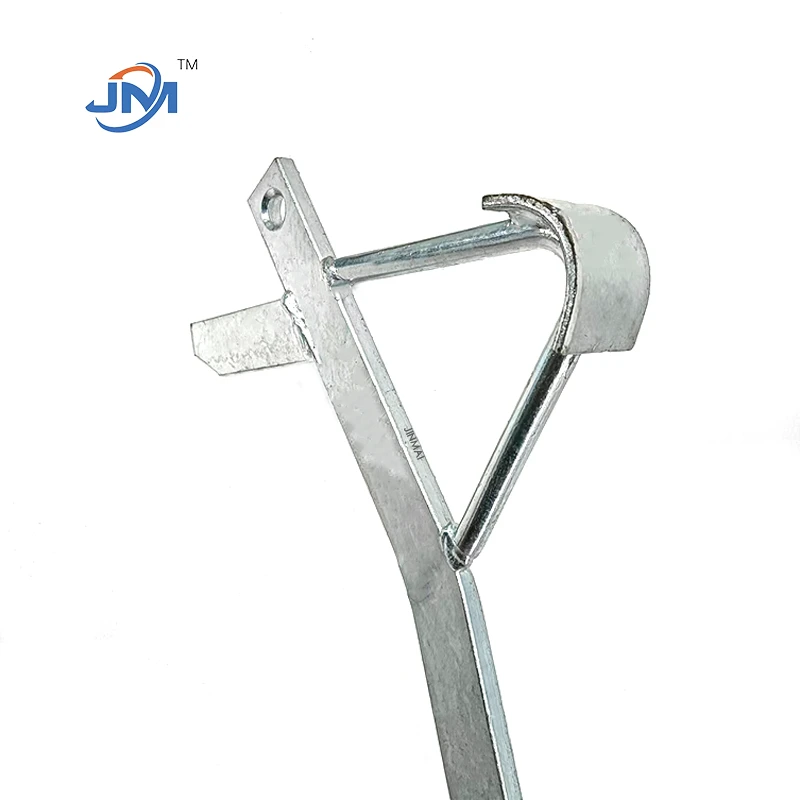
Surface treatments are an important part of enhancing the corrosion resistance of metal stamping parts. We offer a variety of surface treatment options, including plating, coating, passivation, and anodizing. These treatments can improve the corrosion resistance of the parts by providing a protective layer on the surface, preventing the metal from coming into contact with the corrosive environment.
Quality Control
We have a strict quality control system in place to ensure that our metal stamping parts meet the highest standards of corrosion resistance. Our quality control process includes material testing, surface inspection, and corrosion testing. We use advanced testing equipment and techniques to ensure that the parts meet the specified corrosion resistance requirements.
Examples of Our Corrosion-Resistant Metal Stamping Parts
We have a wide range of corrosion-resistant metal stamping parts available for different applications. Here are some examples:
- Tower Optical Cable Rack: Our tower optical cable racks are made from high-quality stainless steel or galvanized steel, which provides excellent corrosion resistance in outdoor and marine environments. The racks are designed to provide reliable support for optical cables in telecommunications towers and other infrastructure.
- Electrical Fittings Door Opener Iron Fittings: Our electrical fittings, including door opener iron fittings, are made from materials that are resistant to corrosion in industrial and outdoor environments. The fittings are designed to provide reliable electrical connections and mechanical support in electrical systems.
- High Temperature Resistant Insulator Bracket: Our high temperature resistant insulator brackets are made from materials that can withstand high temperatures and corrosive environments. The brackets are used in power generation facilities, industrial furnaces, and other applications where high temperature and corrosion resistance are required.
Contact Us for Your Metal Stamping Parts Needs
If you are looking for high-quality metal stamping parts with excellent corrosion resistance, we would be happy to help. Our team of experts can work with you to understand your specific requirements and recommend the most suitable materials and surface treatments for your application. We are committed to providing our customers with the best possible products and services, and we look forward to working with you on your next project.
References
- Fontana, M. G. (1986). Corrosion Engineering. McGraw-Hill.
- Uhlig, H. H., & Revie, R. W. (1985). Corrosion and Corrosion Control. Wiley.
- Davis, J. R. (ed.). (1999). Handbook of Corrosion Data. ASM International.