Hey there! As a supplier of line iron parts, I've seen firsthand how these metal components play a crucial role in the transportation industry. In this blog, I'll dive into the typical uses of line iron parts in transportation and why they're so important.
Railway Systems
One of the most significant applications of line iron parts in the transportation industry is in railway systems. Rails, for instance, are made from high - strength iron alloys. These rails need to withstand the heavy weight of trains, constant friction from the wheels, and various environmental conditions.
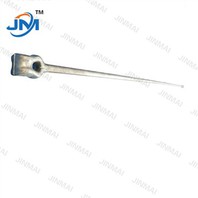
Track fasteners are another essential line iron part in railways. They hold the rails in place, ensuring that the tracks remain stable and aligned. Without proper track fasteners, rails could shift, leading to dangerous derailments. For example, the Triple Eye Anchor Rod can be used to anchor the track to the sleepers, providing a secure connection that keeps the entire railway structure intact.
Railway signaling systems also rely on line iron parts. Signal masts and brackets are often made of iron. These structures support the signals that guide trains, ensuring safe and efficient operation. The structural integrity of these signal components is vital, as any failure could lead to confusion among train operators and potentially dangerous situations.
Road Transportation
In road transportation, line iron parts are used in multiple ways. Guardrails along roads are typically made of iron or iron - based alloys. They act as a safety barrier, preventing vehicles from going off the road in case of an accident. The strength of iron ensures that the guardrails can withstand the impact of a crashing vehicle, protecting both the passengers and the infrastructure.
Traffic signs are another common use. The frames and poles that support traffic signs are often made of iron. These structures need to be sturdy enough to hold the signs in place and withstand wind, rain, and other weather conditions. Iron provides the necessary durability and stability for these applications.
Moreover, in the construction of bridges, which are essential for road transportation, line iron parts are indispensable. Reinforcing bars (rebars) made of iron are used to strengthen the concrete structures of bridges. They help the bridges bear the weight of traffic and resist forces such as earthquakes and strong winds. The Power Fittings Socket Clevis can be used in the connection of bridge components, providing a reliable joint that ensures the overall stability of the bridge.
Air Transportation
In the air transportation industry, line iron parts are used in airport infrastructure. Runway lighting systems rely on iron poles and brackets to support the lights. These structures need to be stable and durable to ensure that the runway lights are properly positioned and can function correctly in all weather conditions.
Hangars, where airplanes are stored and maintained, also make use of line iron parts. The frames of hangars are often constructed with iron beams and columns. The strength of iron allows the hangars to cover large areas and provide a safe environment for aircraft.
Even in the manufacturing of airplanes themselves, although aluminum and composite materials are more commonly used for the main body, some components still use iron. For example, certain engine parts and fasteners may be made of iron due to its high strength and heat - resistant properties.
Water Transportation
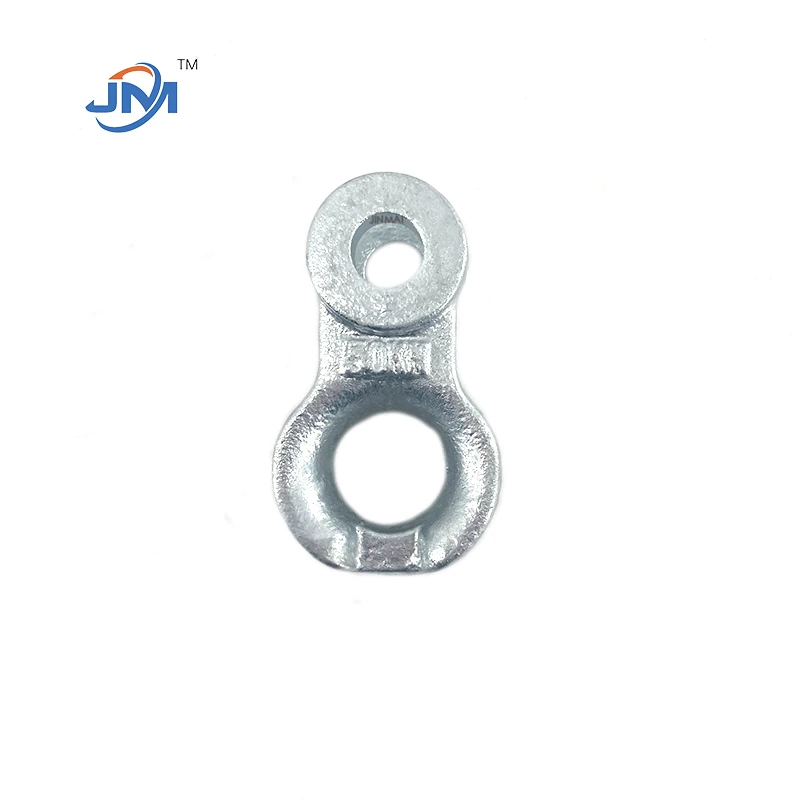
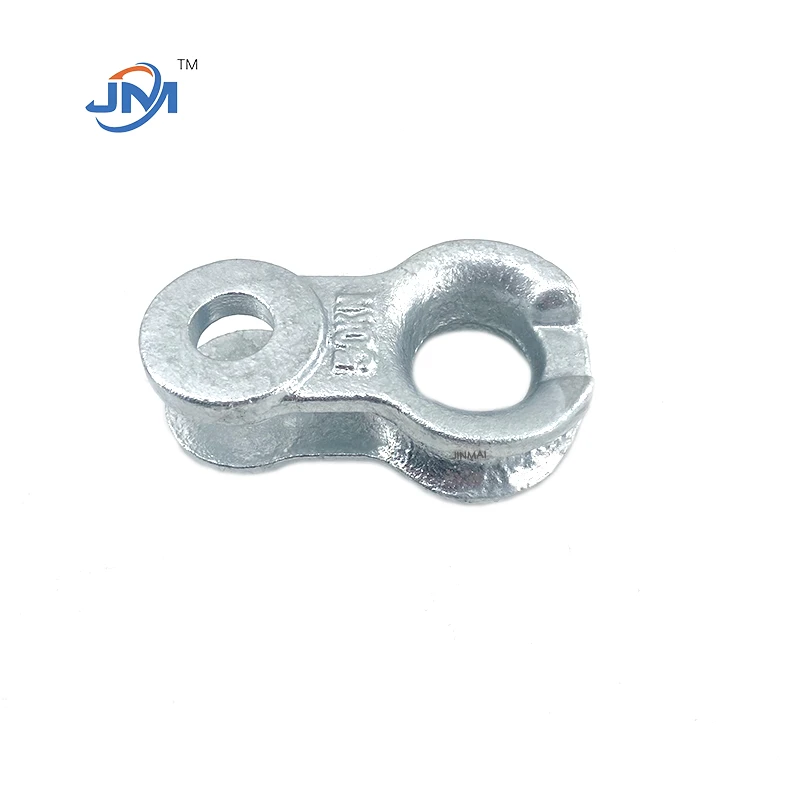
In water transportation, ships and boats rely on line iron parts for various purposes. Anchor chains are typically made of iron. The high strength of iron allows the anchor chains to hold the vessel in place, even in rough seas. The Hot Dip Galvanized Thimble Clevis For Dead End can be used in the connection of the anchor chain, providing a secure and corrosion - resistant joint.
Shipbuilding also involves the use of iron in the construction of the hull. Iron plates are used to form the outer shell of the ship, providing structural strength. In addition, various fittings and brackets on the ship, such as those for mooring lines and equipment, are often made of iron.
Why Choose Our Line Iron Parts
As a supplier, I can assure you that our line iron parts are of the highest quality. We use advanced manufacturing processes to ensure that each part meets strict standards. Our parts are made from high - grade iron alloys, which offer excellent strength, durability, and corrosion resistance.
We understand the specific requirements of the transportation industry. Whether it's the need for high - impact resistance in railway applications or corrosion resistance in water transportation, our products are designed to perform. We also offer customization services, so we can tailor the line iron parts to your exact specifications.
Let's Talk Business
If you're in the transportation industry and are in need of reliable line iron parts, I'd love to have a chat with you. Whether you're working on a railway project, building a bridge, or constructing a ship, we have the right products for you. Reach out to us to discuss your requirements, and let's find the best line iron parts solutions for your transportation needs.
References
- "Transportation Infrastructure Engineering: A Multimodal Systems Approach" by Michael J. Setlock
- "Handbook of Railway Engineering" by Andrew D. Kerr
- "Marine Engineering and Naval Architecture" by John Carlton