Bolts are the unsung heroes of the automotive industry. As a trusted bolts supplier, I've witnessed firsthand the crucial role these small yet mighty components play in the automotive world. In this blog, I'll delve into the various uses of bolts in the automotive industry, highlighting their importance and the different types commonly employed.

Chassis and Suspension Systems
One of the primary areas where bolts are extensively used is in the chassis and suspension systems of vehicles. The chassis is the backbone of a car, providing structural support and stability. Bolts are used to secure various components of the chassis, such as the frame rails, cross - members, and sub - frames. They ensure that these parts remain firmly attached, even under the stress of normal driving conditions, sharp turns, and sudden stops.
For example, in the suspension system, bolts are used to connect the shock absorbers, control arms, and sway bars to the chassis. A well - tightened bolt ensures that the suspension components can move smoothly and perform their function of absorbing shocks and vibrations. This is essential for a comfortable and safe driving experience. The U Type Bolts are often used in the suspension system to secure pipes and other components, providing a reliable and stable connection.
Engine Assembly
The engine is the heart of a vehicle, and bolts are vital for its proper assembly. The engine block, cylinder heads, and various engine components are held together by bolts. These bolts must be tightened to specific torque values to ensure a proper seal and prevent leaks. For instance, the head bolts that secure the cylinder head to the engine block are critical for maintaining the compression within the cylinders. If these bolts are not tightened correctly, it can lead to engine misfires, loss of power, and even engine damage.
In addition, bolts are used to attach auxiliary components to the engine, such as the alternator, water pump, and power steering pump. These components rely on a secure connection to the engine to function properly. The Hexagon Bolts and Nuts are commonly used in engine assembly due to their ease of installation and reliable fastening capabilities.
Transmission and Drivetrain
The transmission and drivetrain are responsible for transferring power from the engine to the wheels. Bolts play a key role in this process by holding together the various components of the transmission and drivetrain. In the transmission, bolts are used to secure the transmission housing, gears, and shafts. A loose bolt in the transmission can cause gear slippage, noise, and ultimately, transmission failure.
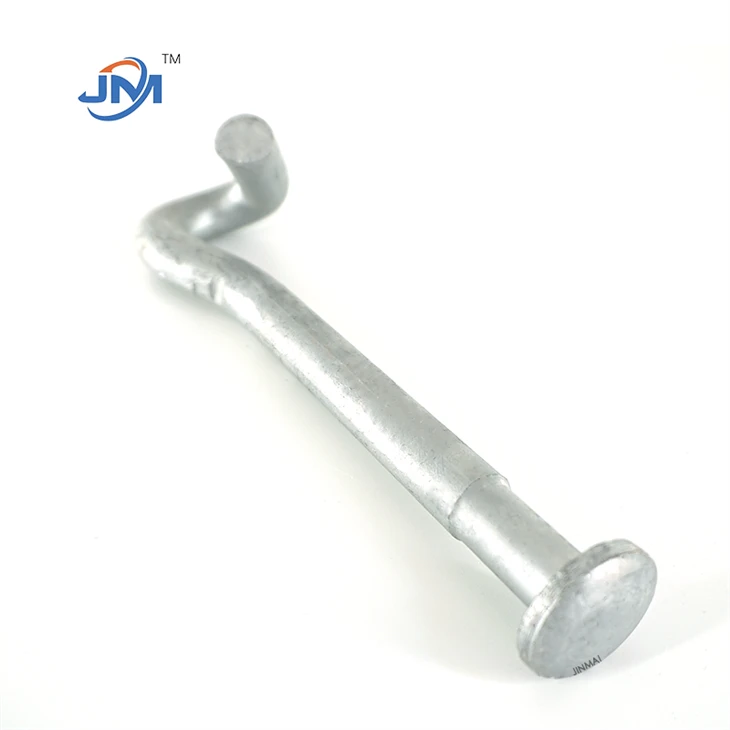
In the drivetrain, bolts are used to connect the driveshafts, axles, and differential. The driveshaft, which transfers power from the transmission to the axles, is attached to the transmission and axles using bolts. These bolts must be strong enough to withstand the high torque and rotational forces generated during driving. The Ended Pigtail Bolt can be used in some specialized drivetrain applications where a unique fastening solution is required.
Body and Interior Components
Bolts are also used in the assembly of the vehicle's body and interior components. The body panels, such as the doors, hood, and trunk lid, are attached to the vehicle's frame using bolts. These bolts provide a secure connection while allowing for easy removal and replacement in case of damage. In the interior, bolts are used to attach seats, dashboard components, and other fixtures.
For example, the seat bolts ensure that the seats are firmly attached to the vehicle floor, providing safety and comfort for the passengers. Dashboard bolts hold the various instruments, controls, and panels in place, creating a functional and aesthetically pleasing interior.
Safety and Reliability
The use of high - quality bolts is essential for the safety and reliability of vehicles. A loose or faulty bolt can lead to serious consequences, such as component failure, accidents, and injuries. That's why automotive manufacturers and repair shops rely on trusted bolts suppliers like us to provide bolts that meet strict quality standards.
We source our bolts from reputable manufacturers and conduct rigorous quality control checks to ensure that they are strong, durable, and corrosion - resistant. Our bolts are designed to withstand the harsh conditions of the automotive environment, including high temperatures, vibrations, and exposure to chemicals and moisture.
Customization and Specialized Applications
In addition to the standard applications, bolts are also used in customized and specialized automotive projects. For example, in high - performance racing cars, bolts are used to attach lightweight and high - strength components. These bolts are often made from special materials, such as titanium or aluminum alloy, to reduce weight while maintaining strength.
In the electric vehicle industry, bolts are used to secure battery packs, electric motors, and other electronic components. These applications require bolts that can provide a secure connection while also being resistant to electrical interference.
Conclusion
In conclusion, bolts are an indispensable part of the automotive industry. From the chassis and engine to the body and interior, bolts are used in almost every aspect of vehicle assembly and operation. As a bolts supplier, we are committed to providing high - quality bolts that meet the diverse needs of the automotive industry.
Whether you are an automotive manufacturer, a repair shop, or a DIY enthusiast, we have the right bolts for your project. Our wide range of bolts, including Hexagon Bolts and Nuts, Ended Pigtail Bolt, and U Type Bolts, ensures that you can find the perfect fastening solution for your specific requirements.
If you are interested in learning more about our bolts or would like to discuss your procurement needs, please feel free to reach out to us. We look forward to the opportunity to work with you and contribute to the success of your automotive projects.
References
- "Automotive Engineering Handbook"
- "Fundamentals of Vehicle Technology"
- Industry reports on automotive manufacturing and component usage.