Bolts are fundamental components in furniture making, serving a wide range of purposes that contribute to the overall functionality, durability, and aesthetic appeal of various pieces. As a leading bolts supplier, we understand the importance of these small yet crucial elements in the furniture industry. In this blog, we will explore the diverse uses of bolts in furniture making and how they enhance the quality and performance of furniture products.
Structural Integrity and Assembly
One of the primary uses of bolts in furniture making is to provide structural integrity and facilitate the assembly process. Bolts are used to join different parts of a piece of furniture together, ensuring that they remain securely connected over time. Whether it's a simple chair, a complex bookshelf, or a large dining table, bolts play a vital role in holding the components in place and preventing them from coming apart.
For example, in the construction of a wooden chair, bolts are used to attach the legs to the seat and backrest. By tightening the bolts, the joints become strong and stable, allowing the chair to support the weight of the user without wobbling or collapsing. Similarly, in a bookshelf, bolts are used to connect the shelves to the sides and the back panel, creating a sturdy and reliable structure that can hold a significant amount of books and other items.
Adjustability and Customization
Another important use of bolts in furniture making is to provide adjustability and customization options. Bolts allow furniture makers to easily adjust the height, angle, or position of various components, making it possible to create furniture that meets the specific needs and preferences of the user.
For instance, in a height-adjustable desk, bolts are used to connect the legs to the tabletop and allow for easy adjustment of the desk height. This feature is particularly useful for people who need to work at different heights throughout the day or for those with specific ergonomic requirements. Similarly, in a reclining chair, bolts are used to control the angle of the backrest, allowing the user to find the most comfortable position for sitting or relaxing.
Disassembly and Transport
Bolts also make it possible to disassemble furniture for easy transport and storage. This is especially important for large or bulky pieces of furniture that may be difficult to move or fit into a small space. By using bolts to connect the components, furniture can be easily taken apart and reassembled at a new location without the need for specialized tools or skills.
For example, a modular sofa can be disassembled into individual sections using bolts, making it easier to transport and maneuver through narrow doorways or staircases. Once the sofa is at its new location, it can be quickly reassembled using the same bolts, restoring it to its original form. This feature is not only convenient for the user but also reduces the risk of damage to the furniture during transport.
Aesthetic Appeal
In addition to their functional uses, bolts can also contribute to the aesthetic appeal of furniture. Bolts come in a variety of sizes, shapes, and finishes, allowing furniture makers to choose the ones that best match the style and design of the furniture.
For example, in a modern industrial-style furniture, exposed bolts can be used as a decorative element to add a touch of ruggedness and authenticity. The visible bolts can create a unique visual effect that enhances the overall look of the furniture and makes it stand out from other pieces. On the other hand, in a more traditional or elegant furniture, hidden bolts can be used to maintain a clean and seamless appearance, giving the furniture a more refined and sophisticated look.

Types of Bolts Used in Furniture Making
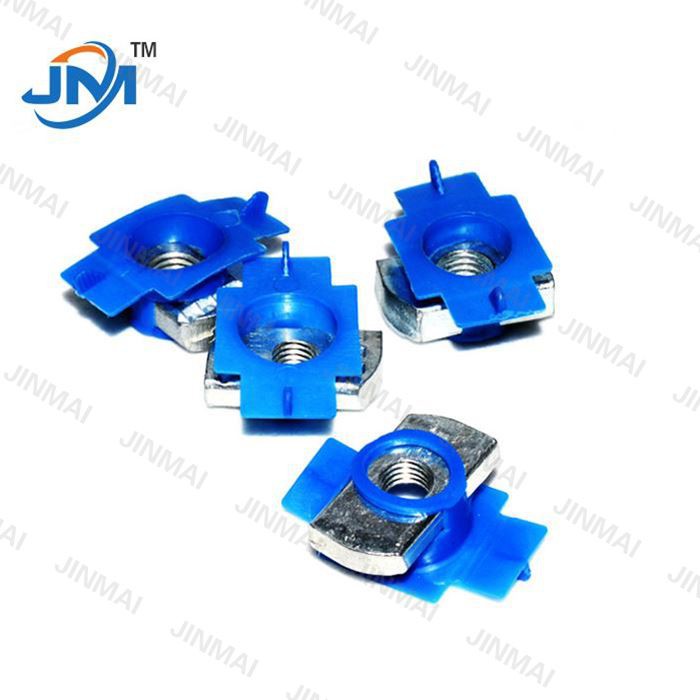
There are several types of bolts commonly used in furniture making, each with its own unique features and applications. Some of the most popular types of bolts include:
- Machine Bolts: Machine bolts are the most common type of bolt used in furniture making. They have a threaded shaft and a hexagonal head, which can be tightened using a wrench or a socket. Machine bolts are available in a variety of sizes and materials, including steel, stainless steel, and brass, and are suitable for a wide range of applications.
- Wood Screws: Wood screws are designed specifically for use in wood and other soft materials. They have a sharp point and a coarse thread, which allows them to easily penetrate the wood and hold it securely in place. Wood screws are available in different lengths and diameters, and can be used to attach wood components together or to fasten other materials to wood.
- Lag Bolts: Lag bolts, also known as lag screws, are heavy-duty bolts used for applications that require a strong and secure connection. They have a large diameter and a coarse thread, which provides excellent holding power in wood and other materials. Lag bolts are typically used to attach large or heavy components, such as beams or posts, to a structure.
- Plastic Wing Nut: Plastic wing nuts are a type of nut that can be easily tightened or loosened by hand. They have a wing-shaped design that provides a comfortable grip, making them ideal for applications where frequent adjustments are required. Plastic wing nuts are commonly used in furniture making to secure components that need to be easily removable or adjustable.
- Metal Stainless Steel Nut: Metal stainless steel nuts are a durable and corrosion-resistant option for use in furniture making. They are made from high-quality stainless steel, which provides excellent strength and resistance to rust and other forms of corrosion. Metal stainless steel nuts are available in a variety of sizes and styles, and can be used with a corresponding bolt to create a secure and long-lasting connection.
- Double Head Bolts and Nuts: Double head bolts and nuts are a type of bolt that has a threaded shaft with a head at both ends. They are commonly used in furniture making to connect two components together or to provide a secure anchor point for other parts. Double head bolts and nuts are available in different lengths and diameters, and can be used with a corresponding nut to create a strong and reliable connection.
Conclusion
In conclusion, bolts are essential components in furniture making, serving a wide range of purposes that contribute to the overall functionality, durability, and aesthetic appeal of various pieces. From providing structural integrity and assembly to allowing for adjustability and customization, bolts play a crucial role in creating furniture that meets the specific needs and preferences of the user. As a leading bolts supplier, we offer a wide range of high-quality bolts and nuts that are suitable for a variety of furniture applications. Whether you are a professional furniture maker or a DIY enthusiast, we have the products and expertise to help you create the perfect piece of furniture.
If you are interested in learning more about our bolts and how they can be used in your furniture making projects, please contact us today to discuss your requirements. Our team of experts will be happy to provide you with detailed information and assistance, and help you find the right bolts for your needs.
References
- Krenov, James. The Fine Art of Cabinetmaking. Stackpole Books, 1979.
- Langford, John. Furniture Making for Beginners. The Crowood Press, 2012.
- Pye, David. The Nature and Art of Workmanship. Cambridge University Press, 1968.