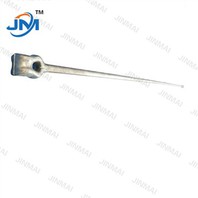
Bolts play a crucial role in solar panel installations, serving multiple functions that contribute to the overall stability, safety, and efficiency of the solar power system. As a leading bolts supplier, I understand the significance of high - quality bolts in this growing industry. In this blog, we will explore the various uses of bolts in solar panel installations.
Structural Support
One of the primary uses of bolts in solar panel installations is to provide structural support. Solar panels need to be securely mounted on a stable framework, which can withstand various environmental forces such as wind, snow, and seismic activity. Bolts are used to connect the solar panel frames to the mounting structure, ensuring that the panels remain in place over their operational lifespan.
For example, when installing solar panels on a rooftop, bolts are used to attach the mounting rails to the roof structure. The mounting rails act as a foundation for the solar panels, and the bolts ensure a rigid connection between the rails and the roof. This connection must be strong enough to prevent the panels from being dislodged during extreme weather conditions. Double Head Bolts and Nuts, available at Double Head Bolts and Nuts, are often used in these applications due to their ability to provide a secure and stable connection.
Alignment and Adjustment
Bolts also play a role in aligning and adjusting solar panels during the installation process. Proper alignment is essential for maximizing the efficiency of solar panels, as it ensures that they receive the maximum amount of sunlight throughout the day. Bolts can be used to fine - tune the position of the panels, allowing installers to adjust the tilt angle and orientation to optimize sunlight exposure.
In some cases, adjustable bolts are used to make these adjustments. These bolts can be tightened or loosened to change the position of the panel within the mounting structure. This flexibility is particularly important in areas with variable sunlight conditions or when installing solar panels on uneven surfaces. Double Arming Bolt, as described in Double Arming Bolt, can be a great option for these alignment and adjustment tasks, providing the necessary flexibility and strength.
Electrical Grounding
Electrical grounding is a critical safety feature in solar panel installations. It helps to protect the system from electrical surges and lightning strikes, reducing the risk of damage to the panels and the connected electrical components. Bolts are used to connect the solar panel frames to the grounding system, ensuring a low - resistance path for electrical current to flow in the event of a fault.
A proper grounding connection is made by using bolts to attach grounding conductors to the panel frames and the grounding electrodes. The bolts must be made of a conductive material, such as stainless steel, to ensure a reliable electrical connection. This connection helps to dissipate any electrical charge safely into the ground, protecting the entire solar power system.
Component Assembly
Solar panel installations involve the assembly of various components, such as inverters, junction boxes, and wiring harnesses. Bolts are used to secure these components to the mounting structure or to each other. For example, bolts are used to attach the inverter to the wall or to the mounting rack, ensuring that it is stable and properly positioned.
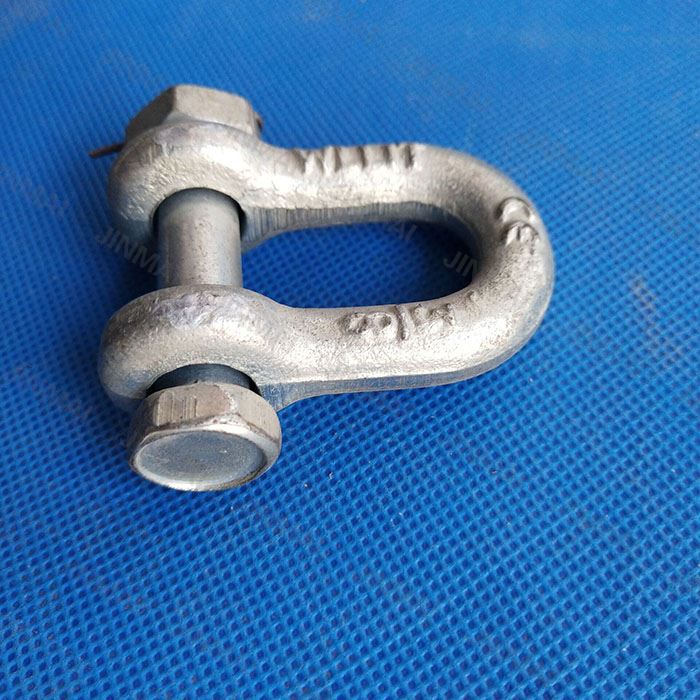
In addition, bolts are used to connect the junction boxes to the solar panels and the wiring harnesses. These connections must be tight and secure to prevent any loose connections that could lead to electrical arcing or other safety hazards. Metal Power Line Accessories Shackle, as detailed in Metal Power Line Accessories Shackle, can be used in some of these component assembly applications, providing a reliable connection for power line accessories.
Maintenance and Repair
Bolts also facilitate maintenance and repair of solar panel installations. Over time, some bolts may become loose due to vibrations or environmental factors. Regular inspection and tightening of these bolts are necessary to ensure the continued safety and performance of the solar power system.
In the event of a component failure or damage, bolts allow for easy disassembly and replacement of the affected parts. For example, if a solar panel needs to be replaced, the bolts holding it to the mounting structure can be removed, and a new panel can be installed in its place. This ease of maintenance is an important consideration in the long - term operation of solar panel installations.
Corrosion Resistance
Solar panels are often installed in outdoor environments, where they are exposed to various weather conditions, including rain, humidity, and saltwater in coastal areas. Bolts used in these installations must have good corrosion resistance to ensure their long - term performance.
Stainless steel bolts are a popular choice for solar panel installations due to their high corrosion resistance. They can withstand the effects of moisture and oxidation, preventing rust and degradation over time. This corrosion resistance is crucial for maintaining the integrity of the connections and the overall stability of the solar power system.
Compatibility with Other Materials
Bolts used in solar panel installations must be compatible with the other materials in the system, such as the solar panel frames, mounting rails, and grounding conductors. Different materials have different expansion and contraction rates due to temperature changes, and using compatible bolts helps to prevent issues such as stress cracking or loosening of connections.
For example, if the solar panel frames are made of aluminum, the bolts should be selected to avoid galvanic corrosion, which can occur when two different metals are in contact in the presence of an electrolyte. Proper material selection and compatibility testing are essential to ensure the long - term performance of the solar power system.
Standardization and Certification
The use of standardized and certified bolts is important in solar panel installations. Standards ensure that the bolts meet certain quality and performance requirements, providing assurance of their reliability and safety. Certifications from recognized organizations, such as ISO or ASTM, indicate that the bolts have been tested and meet specific industry standards.

When choosing bolts for solar panel installations, it is important to select products that comply with relevant standards and have the necessary certifications. This helps to ensure that the entire solar power system meets the required safety and performance criteria.
Conclusion
In conclusion, bolts are an indispensable part of solar panel installations. They provide structural support, facilitate alignment and adjustment, ensure electrical grounding, assist in component assembly, and enable maintenance and repair. Their corrosion resistance, compatibility with other materials, and compliance with standards are also crucial factors in the long - term performance and safety of solar power systems.
As a bolts supplier, I am committed to providing high - quality bolts that meet the specific needs of solar panel installations. Our range of products, including Double Head Bolts and Nuts, Double Arming Bolt, and Metal Power Line Accessories Shackle, are designed to provide reliable and durable solutions for the solar energy industry.
If you are involved in solar panel installations and are looking for high - quality bolts, I encourage you to reach out to me for a detailed discussion on your requirements. We can work together to find the best bolt solutions for your specific project.
References
- "Solar Photovoltaic System Design and Installation Handbook"
- ASTM International Standards for Bolts
- ISO Standards related to Fasteners in Renewable Energy Applications