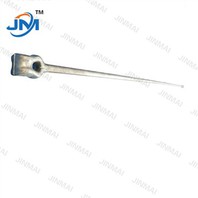
Hey there! As a supplier of Galvanized Cross Arms, I've been getting a lot of questions lately about the corrosion rate of these essential pieces of equipment in different environments. It's a crucial topic, especially for those in the electric power industry. So, I thought I'd dive into it and share what I've learned over the years.
First off, let's talk about what a Galvanized Cross Arm is. It's a key component in overhead power lines, used to support the conductors. You can check out more about them on our website Galvanized Cross Arm. The galvanization process involves coating the steel cross arm with a layer of zinc, which acts as a protective barrier against corrosion. But how well does this protection hold up in different settings?
Coastal Environments
Coastal areas are known for their high humidity and salt-laden air. The salt in the air can be pretty harsh on metal structures. When it comes to galvanized cross arms, the salt can gradually break down the zinc coating. The rate of corrosion in coastal environments is generally higher compared to inland areas.
The moisture in the air, combined with the salt, creates an electrolyte that speeds up the electrochemical reactions. This leads to the formation of zinc salts on the surface of the cross arm. Over time, if the zinc coating is compromised, the underlying steel starts to rust. Studies have shown that in highly corrosive coastal areas, the corrosion rate of galvanized cross arms can be up to five times higher than in milder inland environments.
However, it's not all doom and gloom. High-quality galvanized cross arms with a thick and uniform zinc coating can still last a long time in coastal areas. Regular inspections and maintenance can also help catch any signs of corrosion early on. If you're in the market for cross arms for a coastal project, you might also be interested in Steel Angle Cross Arm, which are also popular for their strength and durability.
Industrial Environments
Industrial areas often have a lot of pollutants in the air, such as sulfur dioxide and particulate matter. These pollutants can react with the zinc coating on the galvanized cross arm. Sulfur dioxide, for example, can form sulfuric acid when it combines with moisture in the air. This acid can eat away at the zinc coating, increasing the corrosion rate.
In addition to the chemical pollutants, industrial areas may also have a lot of mechanical stress on the cross arms. Equipment vibrations, for example, can cause the zinc coating to crack, exposing the underlying steel. The corrosion rate in industrial environments can vary depending on the type and concentration of pollutants. In some heavily polluted industrial areas, the corrosion rate can be even higher than in coastal areas.
To combat the corrosion in industrial environments, we recommend using cross arms with an additional protective coating on top of the galvanized layer. This extra layer can provide an extra barrier against the pollutants. And of course, proper installation and maintenance are key. If you're involved in Electric Power Stringing in an industrial area, choosing the right cross arms is crucial for the long-term stability of your power lines.
Rural and Inland Environments
Rural and inland areas generally have a lower corrosion rate compared to coastal and industrial areas. The air in these areas is usually cleaner, with fewer pollutants and lower humidity. The zinc coating on the galvanized cross arms can last a long time in these environments.
However, that doesn't mean there's no corrosion at all. Even in rural areas, factors like acid rain can affect the corrosion rate. Acid rain, which is caused by pollutants in the atmosphere, can still have a minor impact on the zinc coating. But overall, the corrosion rate in rural and inland areas is much slower.
In these areas, galvanized cross arms can provide reliable service for many years with minimal maintenance. This makes them a cost-effective choice for rural power distribution projects.
Factors Affecting Corrosion Rate
Apart from the environment, there are other factors that can affect the corrosion rate of galvanized cross arms. The thickness of the zinc coating is one of the most important factors. A thicker zinc coating provides more protection and can slow down the corrosion process.


The quality of the galvanization process also matters. A well-galvanized cross arm with a uniform and defect-free coating will have a lower corrosion rate. The design of the cross arm can also play a role. Cross arms with a smooth surface and proper drainage can prevent water from pooling, which reduces the risk of corrosion.
How to Determine the Corrosion Rate
There are several methods to determine the corrosion rate of galvanized cross arms. One common method is to take samples and perform laboratory tests. These tests can measure the thickness of the zinc coating over time and calculate the corrosion rate.
Another method is to use on-site monitoring. This involves installing sensors on the cross arms to measure the corrosion rate in real-time. On-site monitoring can provide valuable data on how the cross arms are performing in a specific environment.
Conclusion
So, as you can see, the corrosion rate of galvanized cross arms varies greatly depending on the environment. Coastal and industrial areas generally have a higher corrosion rate, while rural and inland areas have a lower rate. But with the right choice of cross arms, proper installation, and regular maintenance, you can ensure the long-term performance of your power lines.
If you're in the market for high-quality galvanized cross arms, we're here to help. We offer a wide range of cross arms that are designed to withstand different environments. Whether you're working on a coastal, industrial, or rural project, we have the right solution for you. Don't hesitate to reach out to us for more information or to discuss your specific requirements. Let's work together to ensure the reliability of your power distribution systems.
References
- NACE International. "Corrosion Basics: An Introduction."
- ASTM International. "Standard Test Methods for Measuring Thickness of Metallic Coatings."
- Galvanizers Association. "Galvanizing and Corrosion Protection."