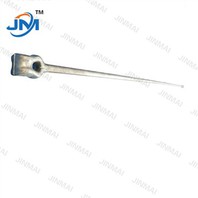
What is the electrical insulation of a Mounting Clamp Adapter?
As a seasoned supplier of Mounting Clamp Adapters, I've witnessed firsthand the crucial role these components play in electrical systems. In this blog post, I'll delve into the concept of electrical insulation in Mounting Clamp Adapters, exploring its significance, how it works, and the factors that influence it.
The Significance of Electrical Insulation in Mounting Clamp Adapters
Electrical insulation in Mounting Clamp Adapters is of utmost importance for several reasons. Firstly, it ensures the safety of personnel working on or around electrical systems. By preventing the flow of electric current to unintended paths, insulation reduces the risk of electric shock, which can be life - threatening.
Secondly, proper insulation helps maintain the integrity of the electrical circuit. It prevents short - circuits, which can cause damage to equipment, disrupt power supply, and even lead to fires. In industrial and commercial settings, where continuous power supply is essential for operations, a single short - circuit can result in significant financial losses.
Finally, insulation improves the overall performance and reliability of the electrical system. It minimizes power losses due to leakage current, allowing for more efficient use of electrical energy. This is especially important in large - scale power distribution networks, where even small losses can add up to a substantial amount of wasted energy over time.


How Electrical Insulation Works in Mounting Clamp Adapters
Electrical insulation in Mounting Clamp Adapters is based on the principle of using materials with high electrical resistance. These materials, known as insulators, impede the flow of electric charge. When an electric potential difference (voltage) is applied across an insulator, only a very small amount of current, called leakage current, can flow through it.
The most common insulating materials used in Mounting Clamp Adapters include plastics, rubber, and ceramics. Plastics such as polyvinyl chloride (PVC) and polyethylene are widely used due to their low cost, ease of processing, and good insulating properties. Rubber, on the other hand, offers excellent flexibility and is often used in applications where the clamp adapter needs to be bent or adjusted. Ceramics are known for their high temperature resistance and mechanical strength, making them suitable for harsh environments.
The design of the Mounting Clamp Adapter also plays a crucial role in its insulating performance. The adapter is typically designed to have a specific shape and structure that maximizes the distance between conductive parts and minimizes the risk of electrical breakdown. For example, some adapters have a ribbed or corrugated surface, which increases the creepage distance (the shortest path along the surface of the insulator between two conductive parts).
Factors Affecting Electrical Insulation in Mounting Clamp Adapters
Several factors can affect the electrical insulation of Mounting Clamp Adapters. One of the most important factors is temperature. As the temperature increases, the insulating properties of materials tend to degrade. This is because higher temperatures can cause the molecules in the insulator to vibrate more vigorously, which can break down the chemical bonds and increase the conductivity of the material. Therefore, it's essential to choose insulating materials that can withstand the expected temperature range in the application.
Another factor is humidity. Moisture can reduce the insulating properties of materials by providing a conductive path for electric current. In high - humidity environments, the surface of the insulator can become wet, leading to an increase in leakage current. To mitigate this problem, some Mounting Clamp Adapters are treated with water - repellent coatings or are designed to prevent moisture from entering the insulating parts.
Contamination is also a significant factor. Dust, dirt, and other pollutants can accumulate on the surface of the insulator, reducing its insulating performance. In industrial areas or near power plants, where there is a high concentration of pollutants, the risk of contamination is particularly high. Regular cleaning and maintenance of the Mounting Clamp Adapters are necessary to ensure their long - term insulating performance.
Related Products and Their Role in Electrical Systems
In addition to Mounting Clamp Adapters, there are several other electrical power fittings that work in conjunction with them to ensure the proper functioning of electrical systems. For example, the Electric Power Fitting cross Arm Connector is used to connect electrical conductors to cross - arms in power distribution networks. It provides a secure and reliable connection, which is essential for the safe and efficient transmission of electricity.
The Anchoring Clamp Suspension is another important component. It is used to anchor and suspend electrical conductors, preventing them from sagging or moving under the influence of wind, ice, or other external forces. This helps maintain the proper spacing between conductors and reduces the risk of short - circuits.
The Embrace Hoop Retractor is designed to hold and support electrical cables. It provides a stable and insulated environment for the cables, protecting them from mechanical damage and ensuring their long - term performance.
Contact Us for Your Mounting Clamp Adapter Needs
If you're in the market for high - quality Mounting Clamp Adapters or other electrical power fittings, we're here to help. Our products are designed and manufactured to meet the highest standards of quality and performance. We offer a wide range of options to suit different applications and requirements.
Whether you're working on a small - scale residential project or a large - scale industrial installation, our team of experts can provide you with the right solutions. We understand the importance of electrical insulation and other technical aspects, and we're committed to providing you with products that will ensure the safety and efficiency of your electrical systems.
Contact us today to discuss your specific needs and to get a quote. We look forward to working with you and helping you achieve your electrical project goals.
References
- Electrical Insulation Handbook, John Wiley & Sons
- Handbook of Electrical Engineering, McGraw - Hill Education