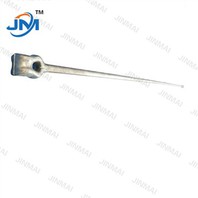
Hey there! As a supplier of Galvanized Cross Arms, I often get asked about the electrical insulation performance of these crucial components. So, let's dive right in and explore what makes them tick in terms of keeping the electricity in check.


First off, what exactly is a Galvanized Cross Arm? Well, it's a key part of the Overhead Pole Line Hardware. You'll usually find it on utility poles, holding up the power lines. It's made from steel and then coated with a layer of zinc through a process called galvanization. This zinc coating not only protects the steel from rusting but also has an impact on its electrical properties.
Now, let's talk about electrical insulation. In simple terms, electrical insulation is all about preventing the flow of electric current where it's not supposed to go. For a Galvanized Cross Arm, this means making sure that the electricity stays within the power lines and doesn't leak into the pole or other parts of the infrastructure.
The galvanized coating on the cross arm plays a big role in its insulation performance. Zinc is a poor conductor of electricity compared to the steel underneath. When the cross arm is exposed to an electrical field, the zinc coating acts as a barrier. It resists the flow of electrons, which are the carriers of electric current. This helps to contain the electricity within the power lines and reduces the risk of electrical leakage.
But it's not just the zinc coating that matters. The design of the cross arm also affects its insulation capabilities. For example, the shape and size of the cross arm can influence how the electrical field is distributed around it. A well - designed cross arm will have a shape that minimizes the concentration of the electrical field in any one area. This reduces the chances of electrical breakdown, which is when the insulation fails and current starts to flow through the cross arm.
Another factor to consider is the environment in which the Galvanized Cross Arm is installed. If the area has high humidity, for example, the moisture in the air can affect the insulation performance. Moisture can conduct electricity to some extent, and if it accumulates on the surface of the cross arm, it can create a path for electrical leakage. However, the galvanized coating helps to repel water to a certain degree, which helps maintain the insulation.
In areas with high levels of pollution or salt spray, such as coastal regions, the cross arm may be exposed to corrosive substances. These substances can damage the zinc coating over time. Once the coating is compromised, the steel underneath is more vulnerable to corrosion, which can also affect the electrical insulation. That's why regular inspection and maintenance of the cross arms are so important.
Now, let's compare Galvanized Cross Arms with other types of cross arms, like the Steel Angle Cross Arm. A steel angle cross arm is made of uncoated steel. Without the galvanized coating, it's more prone to rusting. Rust is a conductor of electricity, and as it forms on the surface of the cross arm, it can increase the risk of electrical leakage. In contrast, the Galvanized Cross Arm Galvanized Cross Arm offers better long - term insulation performance due to its protective zinc coating.
The thickness of the galvanized coating also matters. A thicker coating generally provides better insulation and corrosion resistance. When we manufacture our Galvanized Cross Arms, we pay close attention to the coating thickness to ensure that it meets the highest standards. This way, our customers can be confident that they're getting a product that will perform well in terms of electrical insulation.
In addition to the physical properties of the cross arm, the way it's installed also affects its insulation performance. It needs to be properly attached to the pole and the power lines. If it's not installed correctly, there could be gaps or loose connections that can lead to electrical problems. For example, if the cross arm is not tightly secured to the pole, it might move slightly in the wind. This movement can cause stress on the power lines and the cross arm itself, potentially leading to insulation failure.
When it comes to testing the electrical insulation performance of our Galvanized Cross Arms, we use a variety of methods. We conduct laboratory tests to measure the resistance of the cross arm to electrical current. We also perform field tests in real - world conditions to see how the cross arm performs over time. These tests help us to identify any potential issues and make improvements to our products.
So, why should you choose our Galvanized Cross Arms? Well, we've been in the business for a long time, and we know what it takes to produce high - quality cross arms with excellent electrical insulation performance. Our products are made from the best materials, and we use the latest manufacturing techniques to ensure that they meet or exceed industry standards.
If you're in the market for Galvanized Cross Arms, whether you're a utility company, a contractor, or an electrical engineer, we'd love to talk to you. We can provide you with detailed information about our products, including their electrical insulation performance. We can also offer customized solutions to meet your specific needs. So, don't hesitate to reach out to us for a quote or to discuss your project requirements.
In conclusion, the electrical insulation performance of a Galvanized Cross Arm is influenced by several factors, including the galvanized coating, the design, the environment, and the installation. By understanding these factors, you can make an informed decision when choosing a cross arm for your electrical infrastructure. And if you're looking for a reliable supplier of Galvanized Cross Arms, we're here to help.
References
- Electrical Engineering Textbooks on Power Distribution
- Industry Standards for Galvanized Cross Arms
- Research Papers on the Corrosion and Insulation of Galvanized Steel in Electrical Applications