What is the installation distance between different ADSS cable fittings?
As a trusted supplier of ADSS Cable Fittings, I've been deeply involved in the industry, witnessing firsthand the importance of proper installation distances for these fittings. ADSS (All-Dielectric Self-Supporting) cables are widely used in power transmission and communication systems due to their excellent electrical insulation and self-supporting properties. The correct installation distance between different ADSS cable fittings is crucial for ensuring the safety, stability, and long - term performance of the entire cable system.
1. Understanding ADSS Cable Fittings
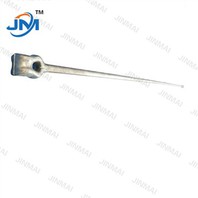
Before delving into the installation distances, it's essential to have a basic understanding of the common ADSS cable fittings. These fittings include suspension clamps, tension clamps, pole top brackets, anchor rods, and stay rod thimbals, among others. Each fitting plays a specific role in supporting, securing, and protecting the ADSS cable.

- Suspension Clamps: These are used to suspend the ADSS cable from poles or towers at regular intervals. They distribute the weight of the cable evenly and prevent excessive sagging.
- Tension Clamps: Tension clamps are used at the end of the cable runs or at turning points to apply the necessary tension to the cable, ensuring it remains taut and stable.
- Pole Top Bracket: Pole top brackets are installed on the top of poles to provide a stable mounting point for the cable suspension or tensioning devices. They are typically made of galvanized steel to resist corrosion.
- Anchor Rod 3/4 X 8ft: Anchor rods are used to anchor the cable system to the ground. They provide the necessary counter - force to keep the cable in place, especially in areas with high wind or other external forces.
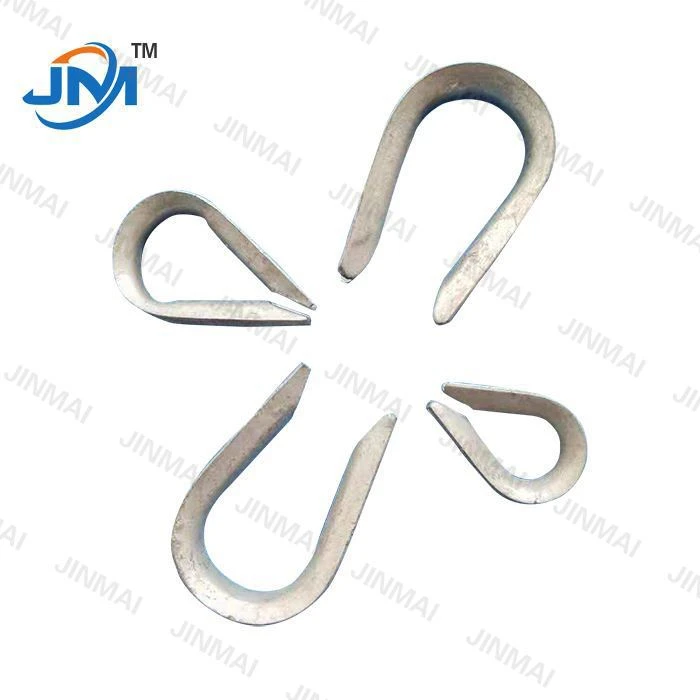
- Stay Rod Thimbal: Stay rod thimbals are used in conjunction with stay rods to support the cable and prevent it from swaying. They help to maintain the proper alignment of the cable and protect it from damage.
2. Factors Affecting Installation Distance
Several factors influence the installation distance between different ADSS cable fittings. These factors must be carefully considered to determine the optimal installation distances for a specific cable system.
- Cable Span: The distance between poles or towers, known as the cable span, is a significant factor. Longer cable spans generally require more frequent installation of fittings to support the weight of the cable and prevent excessive sagging. For example, in a long - span transmission line, suspension clamps may need to be installed at shorter intervals compared to a shorter - span distribution line.
- Cable Tension: The amount of tension applied to the cable also affects the installation distance. Higher tension cables may require fewer fittings as they are more rigid and less likely to sag. However, excessive tension can also cause stress on the cable and fittings, so a balance must be struck.
- Environmental Conditions: Environmental factors such as wind, ice, and temperature variations can have a significant impact on the cable and fittings. In areas with high wind speeds, for instance, fittings may need to be installed closer together to prevent the cable from swaying and causing damage. Similarly, in regions prone to ice accumulation, additional support may be required to prevent the cable from breaking under the weight of the ice.
- Cable Type and Size: Different types and sizes of ADSS cables have different mechanical properties. Larger diameter cables or cables with higher strength requirements may need different installation distances compared to smaller, more flexible cables.
3. Recommended Installation Distances for Common Fittings
- Suspension Clamps: The installation distance for suspension clamps typically ranges from 50 to 150 meters, depending on the cable span, tension, and environmental conditions. In general, for short - span lines (less than 100 meters), suspension clamps can be installed at intervals of around 80 - 100 meters. For longer - span lines (100 - 300 meters), the interval may be reduced to 50 - 80 meters to ensure proper support.
- Tension Clamps: Tension clamps are usually installed at the end of the cable runs or at major turning points. The distance between tension clamps depends on the overall length of the cable system and the number of turns. In a straight - line cable run, tension clamps are typically installed at intervals of 500 - 1000 meters, depending on the cable tension and environmental conditions.
- Pole Top Brackets: Pole top brackets are installed on each pole. The vertical distance from the top of the pole to the mounting point of the bracket depends on the type of cable and the height of the pole. Generally, the bracket should be installed at a height that allows for easy installation and maintenance of the cable fittings, usually around 1 - 2 meters from the top of the pole.
- Anchor Rods: The installation distance of anchor rods depends on the cable tension and the soil conditions. In general, anchor rods are installed at intervals of 50 - 100 meters along the cable route. In areas with poor soil conditions or high cable tension, the interval may be reduced to ensure proper anchoring.
- Stay Rod Thimbals: Stay rod thimbals are installed at intervals along the stay rods to support the cable. The installation distance typically ranges from 2 - 5 meters, depending on the length of the stay rod and the cable requirements.
4. Importance of Correct Installation Distances
Installing ADSS cable fittings at the correct distances is of utmost importance for several reasons.

- Safety: Proper installation distances ensure that the cable is adequately supported and secured, reducing the risk of cable failure or damage. This is especially important in high - voltage power transmission systems, where cable failure can pose a significant safety hazard to personnel and the public.
- Performance: Correct installation distances help to maintain the proper tension and alignment of the cable, ensuring optimal performance. This includes minimizing signal loss in communication cables and reducing the risk of electrical interference in power cables.
- Longevity: By distributing the stress evenly across the cable and fittings, correct installation distances can extend the lifespan of the cable system. This reduces the need for frequent maintenance and replacement, resulting in cost savings over the long term.
5. Consultation and Customization
As an ADSS Cable Fittings supplier, we understand that every cable installation project is unique. That's why we offer consultation services to help our customers determine the optimal installation distances for their specific applications. Our team of experts will take into account all the relevant factors, including cable span, tension, environmental conditions, and cable type, to provide customized solutions.
We also offer a wide range of high - quality ADSS cable fittings, including Pole Top Bracket, Anchor Rod 3/4 X 8ft, and Stay Rod Thimbal, to meet the diverse needs of our customers. Whether you're working on a small - scale distribution line or a large - scale transmission project, we have the right fittings and expertise to ensure a successful installation.
If you're in need of ADSS cable fittings or have questions about installation distances, we encourage you to contact us. Our dedicated sales team is ready to assist you with your procurement needs and provide you with detailed technical support. We look forward to working with you to build reliable and efficient cable systems.
References
- IEEE Standards for ADSS Cable Installation
- Manufacturer's Installation Guides for ADSS Cable Fittings
- Industry Best Practices for Power and Communication Cable Installation