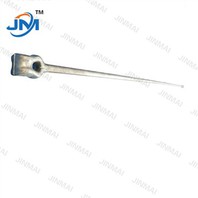
As a seasoned supplier of Parallel Groove Clamps, I've encountered numerous inquiries about the shock resistance of these essential electrical components. In this blog, I'll delve into the concept of shock resistance in parallel groove clamps, exploring its significance, influencing factors, and how it relates to the overall performance of electrical systems.
Understanding Parallel Groove Clamps
Before we discuss shock resistance, it's crucial to understand what parallel groove clamps are and their role in electrical installations. Parallel groove clamps are mechanical connectors used to join two or more electrical conductors in parallel. They are commonly employed in overhead power lines, distribution networks, and various electrical equipment. These clamps provide a reliable and efficient connection, ensuring minimal electrical resistance and maximizing power transmission.
The Significance of Shock Resistance
Shock resistance refers to the ability of a parallel groove clamp to withstand sudden mechanical forces or impacts without losing its structural integrity or electrical performance. In real - world applications, electrical systems are exposed to a variety of shocks and vibrations. For instance, high - wind conditions can cause power lines to sway, subjecting the clamps to dynamic forces. Earthquakes can also generate intense shockwaves that can affect electrical infrastructure. Additionally, during installation and maintenance, clamps may accidentally be dropped or bumped.
A clamp with poor shock resistance may experience loosening of the connection, deformation of the clamp body, or even breakage. These issues can lead to increased electrical resistance, which in turn causes overheating, power losses, and potential safety hazards such as short circuits or electrical fires. Therefore, ensuring high shock resistance is vital for the long - term reliability and safety of electrical systems.
Factors Affecting Shock Resistance
Material Quality
The material used in the manufacturing of parallel groove clamps plays a significant role in determining their shock resistance. High - quality metals such as aluminum alloys or copper alloys are commonly used due to their excellent mechanical properties. Aluminum alloys are lightweight, corrosion - resistant, and have good strength - to - weight ratios. Copper alloys, on the other hand, offer high electrical conductivity and better ductility, which can help absorb shock energy.
For example, if a clamp is made from a low - grade aluminum alloy with impurities, it may be more brittle and prone to cracking under shock. In contrast, a well - engineered alloy with the right composition and heat treatment can provide superior shock - absorbing capabilities.
Design and Structure
The design of the parallel groove clamp also affects its shock resistance. A well - designed clamp will have a structure that evenly distributes the shock forces across its body. For instance, some clamps feature a multi - point contact design, which provides a more stable connection and better load - sharing capabilities.


The shape of the clamp can also influence its performance. A clamp with a rounded or streamlined shape may be less likely to catch on objects during installation or in windy conditions, reducing the risk of sudden impacts. Additionally, the presence of reinforcement ribs or other structural features can enhance the overall rigidity of the clamp and improve its ability to withstand shocks.
Manufacturing Process
The manufacturing process used to produce parallel groove clamps can impact their shock resistance. Precision manufacturing techniques, such as forging or machining, can ensure consistent dimensions and high - quality surface finishes. These processes can also improve the internal structure of the clamp, eliminating defects that could weaken its shock - resistance.
For example, during the forging process, the metal is heated and shaped under high pressure, which can refine the grain structure of the material, making it stronger and more resistant to shock. On the other hand, a poorly manufactured clamp with rough edges or uneven surfaces may be more prone to stress concentration and failure under shock.
Testing Shock Resistance
To ensure that parallel groove clamps meet the required shock - resistance standards, various testing methods are employed. One common test is the impact test, where a clamp is subjected to a controlled impact using a standardized hammer or impactor. The test measures the clamp's ability to withstand the impact without significant damage or loss of functionality.
Another test is the vibration test, which simulates the continuous vibrations that a clamp may experience in real - world applications. The clamp is mounted on a vibration table and subjected to different frequencies and amplitudes of vibration. During the test, the electrical resistance of the clamp is monitored to detect any changes that may indicate a loosening of the connection.
Our Parallel Groove Clamps and Shock Resistance
As a supplier of parallel groove clamps, we are committed to providing products with excellent shock resistance. We use high - quality materials sourced from reliable suppliers and employ advanced manufacturing processes to ensure the highest standards of quality. Our clamps are designed with a focus on structural integrity and load - distribution, making them capable of withstanding the toughest conditions.
We also conduct rigorous testing on all our products to ensure that they meet or exceed industry standards for shock resistance. This commitment to quality has earned us a reputation for providing reliable and durable parallel groove clamps in the market.
Related Products
In addition to parallel groove clamps, we also offer a range of other electrical power fittings. For example, our Electric Power Fitting cross Arm Connector is designed to provide a secure connection between power lines and cross - arms, ensuring the stability of the electrical infrastructure. Our Power Supply Fittings are essential for the efficient transmission and distribution of electrical power. And our Bolt Wire Clamp offers a reliable way to secure wires and cables.
Contact Us for Procurement
If you are in the market for high - quality parallel groove clamps or other electrical power fittings, we invite you to contact us for procurement. Our team of experts is ready to assist you in selecting the right products for your specific needs. Whether you are working on a small - scale electrical project or a large - scale power distribution network, we can provide you with the solutions you need.
References
- Electrical Power Fitting Handbook.
- Standards for Electrical Connectors and Fittings.
- Research Papers on the Mechanical Properties of Electrical Materials.