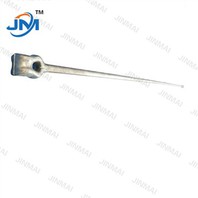
As a leading supplier of parallel groove clamps, I often encounter inquiries about the surface finish of these essential electrical components. In this blog post, I will delve into the concept of surface finish in parallel groove clamps, exploring its significance, common types, and how it impacts the performance and longevity of these products.
What is Surface Finish?
Surface finish refers to the characteristics of the surface of a material, including its texture, roughness, and smoothness. In the context of parallel groove clamps, the surface finish plays a crucial role in determining the clamp's functionality, durability, and overall quality. A well-finished surface can enhance the electrical conductivity, corrosion resistance, and mechanical strength of the clamp, ensuring reliable performance in various applications.
Significance of Surface Finish in Parallel Groove Clamps
Electrical Conductivity
One of the primary functions of a parallel groove clamp is to provide a secure and low-resistance connection between electrical conductors. A smooth and uniform surface finish minimizes the contact resistance between the clamp and the conductors, allowing for efficient transmission of electrical current. This is particularly important in high-power applications where even a slight increase in resistance can lead to significant energy losses and overheating.
Corrosion Resistance
Parallel groove clamps are often exposed to harsh environmental conditions, including moisture, chemicals, and UV radiation. A proper surface finish can act as a protective barrier, preventing corrosion and oxidation of the clamp's surface. This helps to maintain the integrity of the clamp over time, reducing the risk of electrical failures and ensuring long-term reliability.
Mechanical Strength
The surface finish can also affect the mechanical strength of the parallel groove clamp. A smooth surface reduces the stress concentration points, making the clamp more resistant to deformation and fatigue. This is especially important in applications where the clamp is subjected to mechanical vibrations or dynamic loads.
Common Types of Surface Finish for Parallel Groove Clamps
Galvanizing
Galvanizing is a widely used surface treatment method for parallel groove clamps. It involves coating the clamp with a layer of zinc, which provides excellent corrosion resistance. Galvanized clamps are suitable for outdoor applications where they are exposed to moisture and other corrosive elements. The zinc coating acts as a sacrificial anode, protecting the underlying metal from rust and corrosion.
Powder Coating
Powder coating is another popular surface finish option for parallel groove clamps. It involves applying a dry powder to the surface of the clamp and then baking it at a high temperature to form a hard, durable coating. Powder coating offers a wide range of colors and finishes, allowing for customization to meet specific aesthetic and functional requirements. It also provides good corrosion resistance and mechanical protection.
Electroplating
Electroplating is a process in which a thin layer of metal, such as nickel or chrome, is deposited onto the surface of the clamp using an electrical current. Electroplated clamps have a smooth and shiny surface, which not only enhances their appearance but also provides excellent corrosion resistance. However, electroplating is generally more expensive than galvanizing or powder coating, and it may not be suitable for all applications.
Impact of Surface Finish on Performance and Longevity
The surface finish of a parallel groove clamp can have a significant impact on its performance and longevity. A high-quality surface finish can improve the electrical conductivity, corrosion resistance, and mechanical strength of the clamp, ensuring reliable operation in various environments. On the other hand, a poor surface finish can lead to increased contact resistance, corrosion, and mechanical failure, reducing the lifespan of the clamp and increasing the risk of electrical accidents.

For example, a galvanized parallel groove clamp with a thick and uniform zinc coating will provide better corrosion resistance than a clamp with a thin or uneven coating. Similarly, a powder-coated clamp with a smooth and defect-free surface will have better mechanical protection and a longer lifespan than a clamp with a rough or chipped coating.
Other Related Electric Power Fittings
In addition to parallel groove clamps, we also offer a wide range of other electric power fittings, such as Thimble Eye Rods, Carbon Steel QH-7 Ball Eye, and D Type Insulator Bracket. These fittings are designed to work together with parallel groove clamps to provide a complete electrical connection solution.

Contact Us for Procurement and Negotiation
If you are interested in purchasing parallel groove clamps or any other electric power fittings, please feel free to contact us. Our team of experts is dedicated to providing high-quality products and excellent customer service. We can help you select the right products for your specific needs and provide competitive pricing and flexible delivery options. Don't hesitate to reach out to us for procurement and negotiation.
References
- Electrical Power Fittings Handbook
- Standards for Surface Finishes in Electrical Components
- Research Papers on Corrosion Resistance of Galvanized and Coated Metals