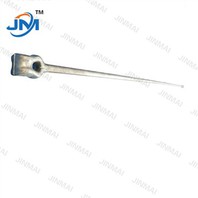
Parallel groove clamps are essential components in electrical power systems, used to connect electrical conductors in parallel. Over time, these clamps can become damaged due to various factors such as environmental conditions, mechanical stress, or electrical overload. As a trusted Parallel Groove Clamp supplier, I understand the importance of knowing how to replace a damaged parallel groove clamp correctly. In this blog post, I will guide you through the process step by step.
Step 1: Safety First
Before you start any work on electrical components, safety should be your top priority. Ensure that you have the necessary personal protective equipment (PPE), including insulated gloves, safety glasses, and a hard hat. Turn off the power supply to the circuit where the damaged clamp is located. Use a voltage tester to confirm that the power is indeed off. This step is crucial to prevent electrical shock and other hazards.
Step 2: Identify the Damaged Clamp
Inspect the electrical system to locate the damaged parallel groove clamp. Look for signs of damage such as cracks, corrosion, or loose connections. In some cases, the clamp may have become overheated, which can be indicated by discoloration or a burnt smell. Make sure to note the size and type of the clamp, as this information will be necessary when selecting a replacement.
Step 3: Gather the Required Tools and Materials
To replace the damaged parallel groove clamp, you will need the following tools and materials: - A new parallel groove clamp of the same size and type as the damaged one. You can find a wide range of Parallel Groove Clamps on our website. - A torque wrench to ensure that the clamp is tightened to the correct specifications. - A wire brush to clean the conductors before installing the new clamp. - A screwdriver or socket wrench to remove and install the clamp bolts.
Step 4: Remove the Damaged Clamp
Once you have identified the damaged clamp and gathered the necessary tools, it's time to remove the old clamp. Use the screwdriver or socket wrench to loosen the bolts that hold the clamp in place. Carefully remove the clamp from the conductors, taking note of the orientation and position of the conductors within the clamp.

Step 5: Clean the Conductors
After removing the damaged clamp, use the wire brush to clean the surfaces of the conductors. This will remove any dirt, corrosion, or oxidation that may have accumulated on the conductors. A clean surface is essential for a good electrical connection. Make sure to clean both the conductors that were previously connected by the damaged clamp.
Step 6: Install the New Clamp
Take the new parallel groove clamp and place it over the cleaned conductors. Ensure that the conductors are properly aligned within the clamp and that the clamp is positioned correctly. Insert the bolts through the holes in the clamp and tighten them using the torque wrench. Follow the manufacturer's specifications for the correct torque value. Over-tightening or under-tightening the bolts can lead to poor electrical connections or damage to the clamp.

Step 7: Inspect the Installation
Once the new clamp is installed, inspect the connection to ensure that it is secure. Check that the conductors are firmly held within the clamp and that there are no gaps or loose connections. Use a multimeter to test the continuity of the electrical connection. If the connection is not continuous, recheck the installation and make any necessary adjustments.
Step 8: Restore Power
After you have inspected the installation and confirmed that everything is in order, it's time to restore power to the circuit. Turn on the power supply and use a voltage tester to check that the circuit is functioning properly. Monitor the connection for a few minutes to ensure that there are no signs of overheating or other issues.
Troubleshooting
In some cases, you may encounter problems during the replacement process. Here are some common issues and their solutions: - Difficulty removing the old clamp: If the bolts are rusted or seized, you can use a penetrating oil to loosen them. Let the oil soak in for a few minutes before attempting to remove the bolts again. - Poor electrical connection: If the multimeter indicates that there is no continuity or a high resistance in the connection, check that the conductors are clean and properly aligned within the clamp. Tighten the bolts to the correct torque if necessary. - Clamp does not fit properly: Make sure that you have selected the correct size and type of clamp for your application. If the clamp is too small or too large, it may not provide a secure connection.

Additional Considerations
When replacing a parallel groove clamp, it's important to consider the overall condition of the electrical system. If there are other signs of damage or wear, such as frayed wires or corroded connectors, it may be necessary to address these issues as well. Regular maintenance and inspection of the electrical system can help prevent future problems and ensure the safe and reliable operation of your equipment.
In addition to parallel groove clamps, we also offer a variety of other electrical power fittings, such as Stay Rod Assembly and FTTH Fitting Splint Wire Hook. These products are designed to meet the highest standards of quality and performance.

Contact Us for Your Procurement Needs
If you are in need of parallel groove clamps or other electrical power fittings, we are here to help. Our team of experts can assist you in selecting the right products for your application and provide you with professional advice and support. Whether you are a small business or a large industrial enterprise, we have the products and services to meet your needs.
Contact us today to discuss your procurement requirements and let us help you find the best solutions for your electrical power system. We look forward to working with you.
References
- Electrical Safety Standards and Guidelines, National Electrical Code (NEC)
- Manufacturer's Installation and Maintenance Manuals for Parallel Groove Clamps