What materials are used to make steel cross arms?
As a seasoned supplier of steel cross arms, I've had the privilege of delving deep into the world of materials that go into crafting these essential components. Steel cross arms play a crucial role in various industries, particularly in the electrical and telecommunications sectors, where they provide support for power lines, cables, and other equipment. In this blog post, I'll explore the materials commonly used to make steel cross arms, their properties, and the benefits they offer.
Carbon Steel
Carbon steel is one of the most widely used materials for making steel cross arms. It is an alloy of iron and carbon, with small amounts of other elements such as manganese, silicon, and sulfur. Carbon steel is known for its high strength, durability, and affordability, making it an ideal choice for applications where strength and reliability are paramount.
One of the key advantages of carbon steel is its ability to withstand heavy loads and harsh environmental conditions. It is resistant to corrosion, rust, and wear, which ensures that the cross arms remain in good condition for an extended period. Carbon steel cross arms are also easy to fabricate and install, which reduces labor costs and installation time.
However, carbon steel is prone to corrosion in certain environments, particularly in areas with high humidity or exposure to saltwater. To protect against corrosion, carbon steel cross arms are often coated with a layer of zinc or other protective materials. This process, known as galvanization, creates a barrier between the steel and the environment, preventing rust and corrosion from forming.
Stainless Steel
Stainless steel is another popular material for making steel cross arms. It is an alloy of iron, chromium, and other elements, which gives it excellent corrosion resistance and durability. Stainless steel cross arms are ideal for applications where aesthetics and corrosion resistance are important, such as in coastal areas or urban environments.
One of the main advantages of stainless steel is its ability to resist corrosion in a wide range of environments. It is highly resistant to rust, staining, and pitting, which ensures that the cross arms maintain their appearance and structural integrity over time. Stainless steel cross arms are also easy to clean and maintain, which reduces maintenance costs and downtime.
In addition to its corrosion resistance, stainless steel is also known for its high strength and durability. It has a high tensile strength, which allows it to withstand heavy loads and extreme weather conditions. Stainless steel cross arms are also resistant to fire and heat, which makes them suitable for use in high-temperature environments.
However, stainless steel is more expensive than carbon steel, which can make it less cost-effective for some applications. It is also more difficult to fabricate and install than carbon steel, which can increase labor costs and installation time.
Galvanized Steel
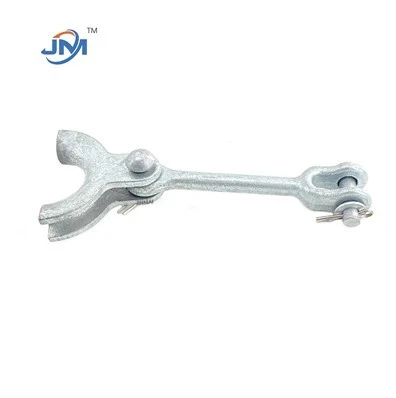
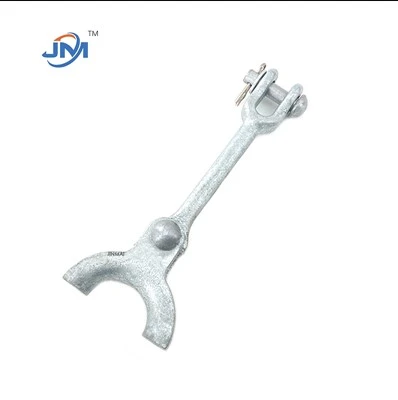
Galvanized steel is a type of carbon steel that has been coated with a layer of zinc to protect against corrosion. The galvanization process involves dipping the steel in a bath of molten zinc, which creates a metallurgical bond between the zinc and the steel. This bond provides a barrier between the steel and the environment, preventing rust and corrosion from forming.
Galvanized steel cross arms are widely used in the electrical and telecommunications industries because of their excellent corrosion resistance and durability. They are suitable for use in a wide range of environments, including coastal areas, industrial areas, and rural areas. Galvanized steel cross arms are also easy to fabricate and install, which reduces labor costs and installation time.
One of the main advantages of galvanized steel is its long service life. The zinc coating provides a protective barrier that can last for decades, even in harsh environments. Galvanized steel cross arms are also resistant to impact and abrasion, which ensures that they remain in good condition even after years of use.
However, galvanized steel is not as corrosion-resistant as stainless steel, particularly in areas with high humidity or exposure to saltwater. Over time, the zinc coating can wear away, exposing the steel to corrosion. To extend the service life of galvanized steel cross arms, they may need to be recoated or replaced periodically.
Other Materials
In addition to carbon steel, stainless steel, and galvanized steel, other materials may also be used to make steel cross arms. These materials include aluminum, fiberglass, and composite materials.
Aluminum is a lightweight and corrosion-resistant material that is often used in applications where weight is a concern. Aluminum cross arms are easy to install and require less maintenance than steel cross arms. However, aluminum is not as strong as steel, which can limit its use in applications where heavy loads need to be supported.
Fiberglass is a composite material that is made from glass fibers and a resin matrix. It is lightweight, strong, and corrosion-resistant, making it an ideal choice for applications where weight and corrosion resistance are important. Fiberglass cross arms are also non-conductive, which makes them suitable for use in electrical applications.
Composite materials are made from a combination of different materials, such as carbon fiber, fiberglass, and resin. They are lightweight, strong, and corrosion-resistant, and can be designed to meet specific performance requirements. Composite cross arms are often used in applications where high strength and low weight are required, such as in aerospace and automotive industries.
Conclusion
In conclusion, the choice of material for making steel cross arms depends on a variety of factors, including the application, environment, and budget. Carbon steel is a popular choice for its strength, durability, and affordability, while stainless steel is preferred for its corrosion resistance and aesthetics. Galvanized steel is a cost-effective option that provides good corrosion resistance, while other materials such as aluminum, fiberglass, and composite materials may be used in specific applications.
As a supplier of steel cross arms, I have the expertise and experience to help you choose the right material for your needs. Whether you need cross arms for a small residential project or a large commercial installation, I can provide you with high-quality products that meet your specifications and budget.
If you're interested in learning more about our steel cross arms or would like to discuss your project requirements, please don't hesitate to [contact us]. We look forward to working with you to provide you with the best solutions for your needs.
References
- "Materials for Electrical Transmission and Distribution Systems." Electrical Power Research Institute (EPRI).
- "Steel Cross Arms: Design, Fabrication, and Installation." American Society of Civil Engineers (ASCE).
- "Corrosion Protection of Steel Structures." National Association of Corrosion Engineers (NACE).