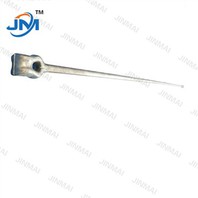
If you're in the business of dealing with cable infrastructure, you're likely well - acquainted with the importance of cable pole hooks. These seemingly simple components play a crucial role in supporting and organizing cables, ensuring the smooth operation of power, communication, and other cable - based systems. But what happens when a cable pole hook is damaged? As a cable pole hook supplier, I'm here to share some insights on how to handle this situation.
Understanding the Consequences of a Damaged Cable Pole Hook
First and foremost, it's essential to recognize the potential risks associated with a damaged Cable Pole Hook. A compromised hook may not provide the necessary support for the cables it holds. This can lead to sagging cables, which not only look unprofessional but also pose a safety hazard. Sagging cables might come into contact with other objects, such as trees or vehicles, increasing the risk of short - circuits, power outages, or even physical harm to people nearby.
In addition, a damaged hook can cause excessive stress on the cables themselves. The uneven distribution of weight can lead to cable wear and tear over time, reducing their lifespan and potentially causing costly replacements. Moreover, in areas with harsh weather conditions, a damaged hook may not be able to withstand strong winds, heavy snow, or ice, further exacerbating the problem.
Identifying the Damage
The first step in addressing a damaged cable pole hook is to identify the problem accurately. There are several types of damage that a cable pole hook can sustain.
- Physical Deformation: This can occur due to external forces, such as being hit by a vehicle or a falling object. The hook may be bent, twisted, or have its shape altered in some way. Visually inspect the hook for any obvious signs of deformation, such as a change in the curvature or a misaligned hook end.
- Corrosion: Over time, exposure to the elements can cause the hook to corrode. Corrosion weakens the metal, making the hook more prone to breakage. Look for signs of rust, flaking paint, or a dull, discolored appearance on the hook's surface.
- Cracks or Fractures: Small cracks may not be immediately visible but can grow over time, especially under stress. Use a magnifying glass or a specialized inspection tool to check for any fine cracks on the hook, particularly at the points where it attaches to the pole or where it bears the most weight.
Temporary Solutions
Once you've identified the damage, you may need to implement some temporary solutions to prevent further problems until a permanent fix can be made.
- Support the Cables: If the hook is still in place but appears to be weak, you can use additional supports to relieve some of the stress on the damaged hook. For example, you can use ropes or straps to gently hold up the cables, redistributing the weight evenly. However, this is only a short - term measure and should not be relied on for an extended period.
- Protect from Further Damage: If the damage is due to external factors, such as a nearby construction site, place barriers around the damaged hook to prevent it from being hit again. You can also cover the hook with a protective material, such as a plastic sheet, to shield it from the elements if corrosion is the issue.
Permanent Repairs or Replacements
Depending on the severity of the damage, you'll need to decide whether to repair or replace the cable pole hook.
Repairs
If the damage is minor, such as a small amount of corrosion or a minor bend, you may be able to repair the hook.


- Clean and Treat Corrosion: For corroded hooks, start by cleaning the surface with a wire brush to remove any rust or flaking paint. Then, apply a rust - inhibiting primer and a fresh coat of paint to protect the hook from further corrosion.
- Straighten the Hook: If the hook is bent, you can use specialized tools, such as a hydraulic press or a large - scale vise, to carefully straighten it back to its original shape. However, this requires expertise and should only be attempted by trained professionals.
Replacements
In many cases, it may be more practical and cost - effective to replace the damaged hook.
- Select the Right Replacement: As a cable pole hook supplier, I understand the importance of choosing the right replacement hook. Consider factors such as the type of cables it will support, the weight capacity required, and the environmental conditions in the area. Cable Pole Hook products come in a variety of sizes and materials to meet different needs.
- Installation: Proper installation is crucial to ensure the new hook functions correctly. Follow the manufacturer's instructions carefully, and make sure the hook is securely attached to the pole. Use the appropriate tools and hardware, such as Pigtail Hook Bolts or Pig tail ball head, to ensure a stable connection.
Preventive Measures
To minimize the chances of cable pole hook damage in the future, it's important to implement preventive measures.
- Regular Inspections: Establish a regular inspection schedule for all cable pole hooks in your infrastructure. This will allow you to detect any potential problems early and address them before they become serious.
- Proper Maintenance: Keep the hooks clean and well - protected. Apply anti - corrosion coatings at regular intervals, and repair any minor damage promptly.
- Quality Products: When purchasing cable pole hooks, choose high - quality products from a reputable supplier. Quality hooks are more durable and less likely to sustain damage.
Contact Us for Your Cable Pole Hook Needs
As a leading cable pole hook supplier, we offer a wide range of high - quality products designed to meet the diverse needs of the cable infrastructure industry. Our products are made from premium materials and are rigorously tested to ensure reliability and durability.
If you're facing issues with damaged cable pole hooks or are in need of new hooks for your projects, we're here to help. We can provide expert advice on product selection, installation, and maintenance. Whether you need a single hook or a large quantity for a major project, we have the resources and expertise to meet your requirements.
Don't let damaged cable pole hooks disrupt your cable systems. Contact us today to discuss your needs and explore our comprehensive range of cable pole hook solutions.
References
- "Cable Infrastructure Handbook" - A comprehensive guide on cable systems and their components.
- "Metal Corrosion and Protection" - A study on the causes and prevention of metal corrosion in outdoor components.
- Industry standards and guidelines for cable pole hook installation and maintenance.