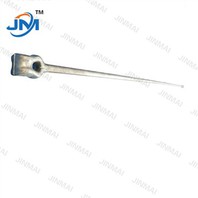
Yo! As a supplier of Galvanized Cross Arms, I often get asked if these bad boys can be used in railway electrification systems. Well, let's dig into this topic and see what's what.


First off, let's talk a bit about galvanized cross arms. Galvanized cross arms, which you can check out here, are made of metal, usually steel, that has been coated with a layer of zinc through a process called galvanization. This zinc coating acts as a shield, protecting the underlying metal from corrosion. It's like giving your cross arm a suit of armor against the elements.
Now, when it comes to railway electrification systems, there are some pretty strict requirements. These systems are responsible for providing power to trains, and any failure can lead to serious disruptions. So, the equipment used in them needs to be top - notch.
One of the key factors to consider is the strength of the cross arm. Railway electrification systems often involve high - voltage power lines and heavy cables. The cross arm has to be able to support these loads without bending or breaking. Galvanized cross arms are known for their strength. The steel core provides the necessary structural integrity, and the galvanized coating doesn't compromise this strength. In fact, it can even enhance the durability of the cross arm over time by preventing rust and corrosion, which could otherwise weaken the metal.
Another important aspect is the environmental conditions. Railways run through all sorts of environments, from hot and dry deserts to cold and wet mountainous regions. Galvanized cross arms are highly resistant to different weather conditions. The zinc coating can withstand extreme temperatures, UV radiation, and moisture. For example, in a coastal area where the air is salty, the zinc layer on the cross arm will prevent the steel from rusting due to the corrosive salt. This makes them a great option for railway lines that pass through diverse terrains.
But it's not just about physical strength and environmental resistance. Electrical properties also matter. Cable Accessories Iron Cross Arm are often used in conjunction with the power lines in railway electrification. Galvanized cross arms are electrically conductive to a certain extent, which is important for grounding purposes. In case of a fault or a lightning strike, the cross arm can help dissipate the excess electrical charge safely into the ground, protecting the entire system from damage.
However, there are also some challenges. For instance, the installation process needs to be carefully done. Railway electrification systems have very precise specifications, and any misalignment or improper installation of the cross arm can lead to problems. The cross arm needs to be installed at the correct height, angle, and with the right fasteners. But if you work with experienced installers and follow the guidelines, this shouldn't be a major issue.
Also, the long - term maintenance of galvanized cross arms in railway electrification systems needs to be considered. While they are relatively low - maintenance compared to some other materials, periodic inspections are still necessary. You need to check for any signs of damage to the zinc coating, such as scratches or chips, and repair them as soon as possible to prevent corrosion from starting.
Now, let's touch on the cost - effectiveness. Galvanized cross arms are generally more affordable than some of the alternative materials used in railway electrification. They offer a good balance between cost and performance. You get a durable and reliable product that won't break the bank. This is especially important for large - scale railway projects where cost savings can add up significantly.
In addition to the physical and electrical properties, the availability of galvanized cross arms is another advantage. As a supplier, I can tell you that we have a good supply chain in place. This means that if you're working on a railway electrification project, you can get the cross arms you need in a timely manner. This is crucial for keeping the project on schedule and avoiding costly delays.
When it comes to the installation of power lines in railway electrification, Electric Power Stringing is an essential process. Galvanized cross arms play an important role in this process. They provide a stable and secure platform for the power lines, ensuring that they are properly positioned and supported. This helps in maintaining the efficiency of the power transmission and reduces the risk of power outages.
So, can a galvanized cross arm be used in railway electrification systems? The answer is a resounding yes! They have the strength, environmental resistance, electrical properties, and cost - effectiveness needed for these demanding applications.
If you're involved in a railway electrification project or are just curious about galvanized cross arms for other applications, don't hesitate to reach out. We're here to provide you with high - quality galvanized cross arms and all the information you need. Contact us to start a discussion about your specific requirements. We can work together to figure out the best solution for your project.
References
- General knowledge about galvanized materials and railway electrification systems.
- Industry standards and best practices for overhead line fittings.