In noise - control applications, the acoustic properties of metal stamping parts play a crucial role. As a metal stamping parts supplier, I have witnessed firsthand how the right acoustic characteristics can make a significant difference in various industries. This blog post will explore the requirements for the acoustic properties of metal stamping parts in noise - control applications.
Understanding Noise - Control Applications
Noise - control applications are diverse and span multiple industries. In the automotive sector, for example, reducing noise inside the cabin is a top priority. Excessive noise can lead to driver fatigue and a less comfortable driving experience. Metal stamping parts used in engines, transmissions, and suspension systems need to have appropriate acoustic properties to minimize the noise generated during operation.
In the aerospace industry, noise reduction is essential for passenger comfort and to meet strict regulatory requirements. Metal stamping parts used in aircraft engines, airframes, and interior components must be designed to dampen vibrations and reduce noise transmission.
Industrial machinery also benefits from noise - control measures. Factories and manufacturing plants often have high - noise environments that can be hazardous to workers' health. Metal stamping parts used in machinery such as pumps, compressors, and conveyors need to contribute to noise reduction to create a safer and more comfortable working environment.
Key Acoustic Requirements for Metal Stamping Parts
Sound Absorption
One of the primary requirements for metal stamping parts in noise - control applications is sound absorption. Sound absorption refers to the ability of a material to convert sound energy into heat energy. When sound waves hit a metal stamping part, some of the energy should be absorbed rather than reflected.
To achieve good sound absorption, the surface of the metal stamping part can be treated. For example, applying a porous coating can increase the surface area available for sound absorption. The pores in the coating trap the sound waves and convert their energy into heat through friction. Some metal stamping parts can also be designed with internal cavities or structures that enhance sound absorption. These structures can resonate with the incoming sound waves, causing the sound energy to be dissipated.

Vibration Damping
Vibration is a major source of noise in many applications. Metal stamping parts need to have good vibration - damping properties to reduce the noise generated by vibrations. Vibration damping is the ability of a material to dissipate mechanical energy from vibrations.
There are several ways to improve the vibration - damping characteristics of metal stamping parts. One approach is to use materials with high internal friction. For instance, some alloys have better damping properties compared to pure metals. Another method is to add damping layers or inserts to the metal stamping part. These damping elements can be made of materials such as rubber or viscoelastic polymers, which absorb and dissipate the vibration energy.
Sound Insulation
Sound insulation is the ability of a material to prevent the transmission of sound from one side to the other. In noise - control applications, metal stamping parts may need to act as barriers to sound. For example, in an automotive engine compartment, metal stamping parts can be used to isolate the engine noise from the passenger cabin.
To enhance sound insulation, the thickness and density of the metal stamping part are important factors. Generally, thicker and denser parts provide better sound insulation. However, in some cases, where weight is a concern, such as in the aerospace industry, a balance needs to be struck between sound insulation and weight. Some advanced metal stamping techniques can be used to create parts with optimized structures for sound insulation, such as double - walled or honeycomb - structured parts.
Examples of Metal Stamping Parts in Noise - Control Applications
Electric Bolts Hexagon Bolts
Electric Bolts Hexagon Bolts are commonly used in various electrical and mechanical systems. In noise - control applications, these bolts need to have good vibration - damping properties to prevent the transmission of vibrations and the resulting noise. For example, in an electric motor, the hexagon bolts used to secure the motor components should be able to dampen the vibrations generated by the motor's operation, reducing the overall noise level.
Hot - DIP Galvanized Link - Fittings Ball Eye
Hot - DIP Galvanized Link - Fittings Ball Eye are often used in linkages and connections. In applications where there is relative movement between components, these link - fittings can generate noise. To address this, the metal stamping process can be optimized to ensure that the ball eye has a smooth surface finish, reducing friction and noise. Additionally, the material used for the link - fitting can be selected for its vibration - damping properties.
Hot Dip Galvanized Thimble Clevis
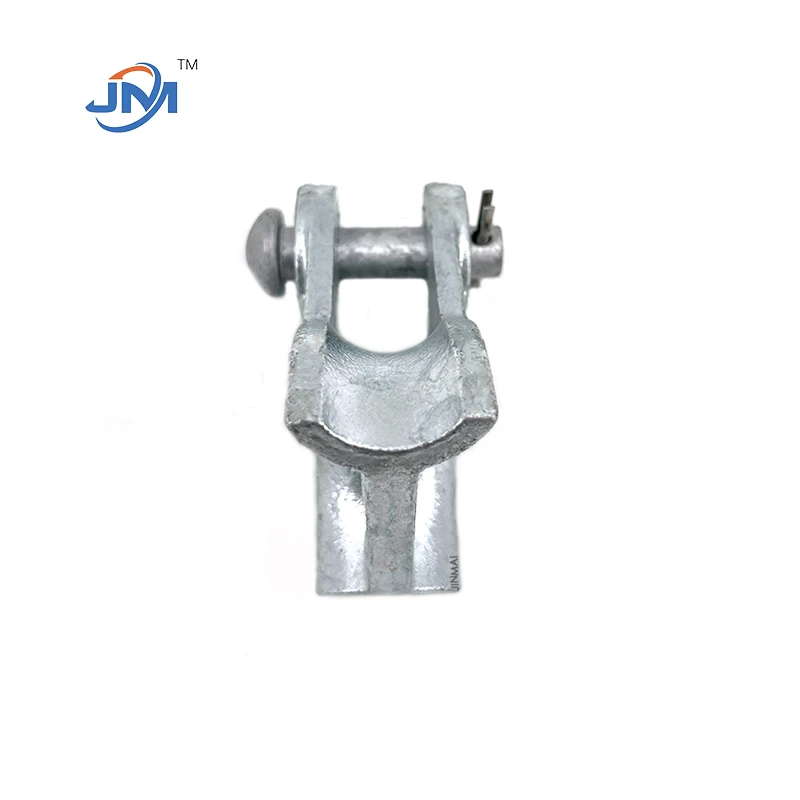
Hot Dip Galvanized Thimble Clevis is used in various rigging and connection applications. In noise - control applications, the thimble clevis needs to have good sound - absorption properties. The shape and structure of the thimble clevis can be designed to trap and absorb sound waves, reducing the noise generated by the movement of the connected components.
Meeting the Acoustic Requirements in Metal Stamping
As a metal stamping parts supplier, we have a range of techniques and processes to meet the acoustic requirements in noise - control applications.
Material Selection
The choice of material is critical in determining the acoustic properties of metal stamping parts. We carefully select materials based on their sound - absorption, vibration - damping, and sound - insulation characteristics. For example, we may choose a specific alloy that has better internal friction for vibration damping or a material with a porous structure for sound absorption.
Design Optimization
Our design team uses advanced computer - aided design (CAD) and finite element analysis (FEA) tools to optimize the design of metal stamping parts for acoustic performance. We can simulate the behavior of sound waves and vibrations in the parts and make adjustments to the shape, size, and structure to achieve the desired acoustic properties.
Surface Treatment
We offer various surface treatment options to enhance the acoustic properties of metal stamping parts. Coating the parts with porous materials, applying vibration - damping paints, or using galvanizing processes can all contribute to improving sound absorption and vibration damping.
Conclusion
The acoustic properties of metal stamping parts are of utmost importance in noise - control applications. Sound absorption, vibration damping, and sound insulation are the key requirements that need to be met. As a metal stamping parts supplier, we are committed to providing high - quality parts that meet these acoustic requirements through careful material selection, design optimization, and surface treatment.
If you are in need of metal stamping parts for noise - control applications, we invite you to contact us for a detailed discussion. Our team of experts can work with you to understand your specific requirements and provide customized solutions.
References
- Beranek, Leo L. "Acoustics." American Institute of Physics, 1986.
- Craik, R. J. "Handbook of Vibration Engineering." John Wiley & Sons, 2006.
- Fahy, Frank J. "Sound and Structural Vibration: Radiation, Transmission and Response." Academic Press, 1998.