Can pigtail eye bolts be used in electrical applications?
As a supplier of pigtail eye bolts, I often get asked whether these components can be used in electrical applications. This is a valid question, considering the unique requirements and safety standards in the electrical field. In this blog post, I'll delve into the details to provide a comprehensive answer.
Understanding Pigtail Eye Bolts
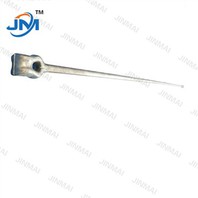
Pigtail eye bolts are specialized fasteners that feature an eye at one end and a pigtail - like loop or hook at the other. They are commonly used in various mechanical and structural applications for tasks such as lifting, securing cables, and providing attachment points. The eye allows for the easy installation of ropes, chains, or other connectors, while the pigtail provides an additional connection option.
Electrical Application Requirements
Before considering using pigtail eye bolts in electrical applications, it's crucial to understand the key requirements. Electrical systems demand safety, conductivity, and resistance to environmental factors. Components used in electrical applications must be made of materials that can conduct electricity effectively without excessive heat generation. They also need to be able to withstand the electrical currents and voltages they will be exposed to without breakdown. Additionally, they should be resistant to corrosion, as moisture and other environmental elements can cause deterioration over time.
Material Considerations
The material of pigtail eye bolts plays a significant role in determining their suitability for electrical applications. Most standard pigtail eye bolts are made of steel or other metals. While steel is strong and durable, it may not be the best choice for electrical applications on its own. Steel has relatively high electrical resistance, which can lead to heat buildup when current passes through it. This heat can not only reduce the efficiency of the electrical system but also pose a safety hazard.
However, if the pigtail eye bolts are made of a highly conductive metal such as copper or aluminum, they can be more suitable for electrical use. Copper is an excellent conductor of electricity and has good corrosion - resistance properties. Aluminum is also a good conductor and is lighter than copper, which can be an advantage in some applications. These materials can effectively carry electrical currents without significant energy loss.
Safety and Insulation
In electrical applications, safety is of utmost importance. Pigtail eye bolts used in these settings need to be properly insulated to prevent electrical shocks and short - circuits. Insulation can be achieved through various methods, such as coating the bolts with an insulating material or using insulating sleeves. This insulation helps to isolate the conductive parts of the bolt from contact with other conductive surfaces or people.


Moreover, the design of the pigtail eye bolts should also take into account the potential for arcing. Arcing can occur when there is a breakdown in the electrical insulation, and it can cause damage to the components and pose a fire risk. Therefore, the bolts should be designed to minimize the risk of arcing, for example, by having smooth surfaces and appropriate clearances.
Environmental Factors
Electrical systems are often exposed to a variety of environmental conditions. Pigtail eye bolts used in these applications need to be able to withstand these conditions. For example, in outdoor electrical installations, the bolts may be exposed to rain, humidity, and extreme temperatures. Corrosion - resistant coatings or materials are essential to ensure the long - term performance of the bolts.
In environments with high levels of dust or chemicals, the bolts should also be protected to prevent damage. Some electrical applications may require the use of pigtail eye bolts that are rated for specific environmental conditions, such as waterproof or dust - proof ratings.
Specific Electrical Applications
There are several specific electrical applications where pigtail eye bolts can potentially be used. One such application is in cable management. Pigtail eye bolts can be used to secure electrical cables to structures, ensuring that they are properly organized and do not pose a tripping or entanglement hazard. They can also be used in grounding systems. Grounding is an important safety measure in electrical systems, and pigtail eye bolts can be used to connect grounding conductors to metal structures or grounding rods.
In addition, in some electrical equipment installations, pigtail eye bolts can be used for mounting and securing components. For example, they can be used to attach electrical panels or transformers to support structures. However, in all these applications, it is essential to ensure that the bolts meet the relevant electrical safety standards.
Comparison with Other Components
When considering the use of pigtail eye bolts in electrical applications, it's also important to compare them with other available components. For example, Pigtail Hook Bolts offer a similar functionality but may have different design features. Pigtail hook bolts may be more suitable for applications where a hook - like connection is required.
Cable Pole Hook is another option. These are specifically designed for use with cable poles and can provide a reliable way to support and secure electrical cables. They may have features such as adjustable lengths or special locking mechanisms.
Hardware Pole Line Hook is also a relevant component. These hooks are used in pole line construction and can be used to support various electrical components such as insulators and conductors.
Conclusion
In conclusion, pigtail eye bolts can be used in electrical applications under the right conditions. The choice of material, proper insulation, and consideration of environmental factors are crucial. If the bolts are made of highly conductive materials, properly insulated, and designed to withstand the specific electrical and environmental requirements, they can be a reliable component in electrical systems.
However, it's important to note that before using pigtail eye bolts in any electrical application, it is advisable to consult with a qualified electrical engineer or follow the relevant electrical codes and standards. This ensures that the installation is safe and compliant.
If you are interested in exploring the use of pigtail eye bolts for your electrical applications, I encourage you to reach out. We can provide you with detailed information about our products, including their specifications, materials, and suitability for different applications. Our team of experts is also available to answer any questions you may have and assist you in making the right choice for your project. Let's start a conversation and find the best solution for your electrical needs.
References
- Electrical Engineering Handbook, Third Edition, CRC Press
- National Electrical Code (NEC)
- Handbook of Electrical Installation Practice, Blackwell Science