Can steel cross arms be used in cold regions? That's a question I've been asked a bunch of times as a steel cross arm supplier. Let's dig into this topic and see what the deal is.
First off, let's talk about what steel cross arms are. They're an important part of electrical power distribution systems. You'll usually find them on utility poles, holding up the wires that carry electricity to our homes and businesses. They need to be strong and durable to handle the weight of the wires and withstand different environmental conditions.
Now, cold regions come with their own set of challenges. The obvious one is the low temperature. When it gets really cold, materials can become brittle. This is a big concern for steel cross arms because if they become too brittle, they might crack or break under stress.
But here's the good news. Steel, when properly treated and designed, can actually hold up pretty well in cold regions. One of the key factors is the type of steel used. High - strength low - alloy (HSLA) steels are often a great choice. These steels have better toughness and can resist cracking even at low temperatures.


Another important aspect is the manufacturing process. At our place, we make sure that the steel cross arms go through a strict quality control process. We use advanced manufacturing techniques to ensure that the arms are strong and uniform in structure. This helps them better handle the cold and other external forces.
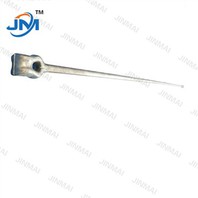
Let's also talk about corrosion. In cold regions, there's often snow and ice, and sometimes de - icing salts are used on roads near utility poles. These conditions can lead to corrosion of the steel cross arms. That's why we offer Hot Dip Galvanized Anchor Bracket Adjustable Arm. The hot - dip galvanizing process creates a protective zinc coating on the steel. This coating acts as a barrier, preventing the steel from coming into contact with moisture and other corrosive elements. It significantly extends the lifespan of the cross arms, even in harsh cold - weather conditions.
When it comes to installation, proper installation is crucial. In cold regions, the ground might be frozen, which can make installation a bit tricky. But with the right equipment and techniques, it can be done. We provide detailed installation guides to our customers to ensure that the cross arms are installed correctly. This helps them perform at their best and stay safe in the long run.
We also offer other related products like the MESSENGER GROUND CLAMP and Hot Dip Galvanized Thimble Clevis For Dead End. These products work together with the steel cross arms to create a reliable electrical power distribution system. The messenger ground clamp helps with grounding, which is important for safety, especially in areas with extreme weather. And the hot - dip galvanized thimble clevis for dead end is used for securing the wires at the end of a line.
But we're not just about selling products. We understand that every project in a cold region is unique. That's why we offer customized solutions. Whether you need a different size, shape, or load - bearing capacity for your steel cross arms, we can work with you to meet your specific requirements.
So, to answer the question, yes, steel cross arms can be used in cold regions. With the right choice of steel, proper manufacturing processes, effective corrosion protection, and correct installation, they can provide a reliable and long - lasting solution for electrical power distribution in cold - weather areas.
If you're involved in a project in a cold region and need steel cross arms or any of our related products, don't hesitate to reach out. We're here to help you make the best decision for your project. We can provide you with more detailed information, answer any questions you might have, and work with you on the procurement process. Whether you're a small local utility company or a large - scale infrastructure project, we've got the experience and products to meet your needs.
References
- "Steel Structures in Cold Regions: Design and Construction" by some experts in the field
- Technical reports on the performance of hot - dip galvanized steel in cold environments