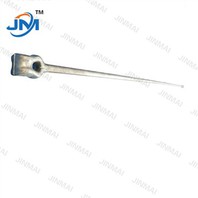
As a supplier of Galvanized Cross Arms, I often get asked whether these cross arms resist corrosion well. It's a crucial question, especially considering the harsh environments where these components are often used. In this blog, I'll share my insights based on years of experience in the industry.
First off, let's understand what a Galvanized Cross Arm is. A Galvanized Cross Arm is an essential part of overhead power lines. It's used to support the conductors and insulators, keeping the electrical system stable and safe. The galvanization process is what gives these cross arms their corrosion - resistant properties.
Galvanization is the process of applying a protective zinc coating to steel or iron to prevent rusting. There are different methods of galvanization, but the most common one for cross arms is hot - dip galvanizing. In hot - dip galvanizing, the steel cross arm is submerged in a bath of molten zinc at around 450°C. This creates a metallurgical bond between the zinc and the steel, forming several layers of zinc - iron alloy and pure zinc on the surface.
So, how well does this zinc coating resist corrosion? Well, it's pretty impressive. Zinc is a sacrificial metal. What this means is that when exposed to the elements, the zinc will corrode first instead of the underlying steel. The zinc forms a protective layer of zinc oxide and zinc hydroxide on its surface when it reacts with oxygen and moisture in the air. This layer acts as a barrier, slowing down further corrosion.
In normal atmospheric conditions, a well - galvanized cross arm can last for decades. For example, in rural areas with low levels of pollution and mild weather, a Galvanized Cross Arm can easily last 30 to 50 years without significant corrosion. The zinc coating provides a long - term protection that reduces the need for frequent replacements, which is a huge advantage for power companies and other users.
However, the corrosion resistance of a Galvanized Cross Arm isn't absolute. There are certain factors that can affect how well it resists corrosion. One of the main factors is the environment. In highly polluted areas, such as industrial regions or near the coast, the corrosion rate can be much higher. In industrial areas, pollutants like sulfur dioxide and nitrogen oxides in the air can react with the zinc coating, breaking down the protective layer more quickly. Near the coast, the high salt content in the air and water can also accelerate corrosion. The salt can break through the protective zinc layer, exposing the underlying steel to corrosion.


Another factor is the thickness of the zinc coating. The thicker the zinc coating, the better the corrosion resistance. The thickness of the coating is usually measured in grams per square meter (g/m²). For Galvanized Cross Arms used in normal environments, a coating thickness of around 600 g/m² is common. But in more corrosive environments, a thicker coating of 800 g/m² or more may be required.
The quality of the galvanization process also matters. If the cross arm isn't properly cleaned before galvanizing, there may be contaminants on the surface that can prevent a good bond between the zinc and the steel. This can lead to premature corrosion in those areas. Additionally, any damage to the zinc coating during handling, installation, or transportation can also expose the steel to corrosion.
Comparing Galvanized Cross Arms with other types of cross arms, like wooden or composite ones, galvanized cross arms have a clear edge in terms of corrosion resistance. Wooden cross arms are prone to rotting, especially in wet conditions, and they require regular maintenance such as treating with preservatives. Composite cross arms, while they may have other advantages like being lightweight, may not have the same long - term corrosion resistance as galvanized ones.
In the context of Electric Power Stringing, the corrosion resistance of Galvanized Cross Arms is of utmost importance. A corroded cross arm can compromise the stability of the power line, leading to safety hazards and power outages. By using Galvanized Cross Arms, power companies can ensure the reliability and longevity of their overhead power systems.
Our company offers a wide range of Hot Dip Galvanized Overhead Line Hardware, including Galvanized Cross Arms. We follow strict quality control measures during the galvanization process to ensure that our cross arms have a uniform and thick zinc coating. We also test our products regularly to make sure they meet the highest standards of corrosion resistance.
If you're in the market for Galvanized Cross Arms or other overhead line hardware, we'd love to talk to you. Whether you're a power company looking to upgrade your power lines or a contractor working on a new project, we can provide you with high - quality products that offer excellent corrosion resistance. Contact us to discuss your specific needs and get a quote. Our team of experts is ready to assist you in finding the right solutions for your project.
In conclusion, a Galvanized Cross Arm generally resists corrosion very well, thanks to the sacrificial zinc coating. But its performance can be affected by the environment, coating thickness, and the quality of the galvanization process. By understanding these factors and choosing high - quality Galvanized Cross Arms, you can ensure the long - term reliability and safety of your overhead power systems.
References
- "Corrosion of Zinc and Zinc Alloys" by NACE International
- "Galvanizing Handbook" by the International Lead Zinc Research Organization