Managing cable components effectively isn't just a task; it's an art that can significantly impact the efficiency, safety, and longevity of your electrical systems. As a cable components supplier, I've seen firsthand the difference that proper management can make. In this blog, I'll share some of the best practices for cable component management that I've gathered over the years.
Organization is Key
The first step in cable component management is organization. A well - organized cable storage and management system can save you a ton of time and hassle. You don't want to be rummaging through a jumbled mess of cables and components when you're in a hurry to complete a project.
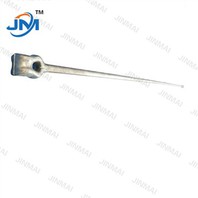
One effective way to organize is by categorizing your cable components. Group similar items together, like connectors, fasteners, and insulation materials. You can use labeled storage bins or shelves for this purpose. For example, if you have a variety of Pigtail Hook Bolts, keep them in a bin marked specifically for pigtail hook bolts. This makes it easy to locate the exact component you need when the time comes.
Another aspect of organization is inventory management. Keep a detailed inventory of all your cable components. This can be done using a simple spreadsheet or a more advanced inventory management software. Regularly update the inventory to reflect any new purchases, usage, or losses. This way, you'll always know what you have in stock and when it's time to reorder.


Safety First
Safety should always be a top priority when dealing with cable components. Electrical systems can be extremely dangerous if not handled properly. Make sure all cable components are installed and maintained according to safety standards.
Before installing any cable component, inspect it for any signs of damage. Cracked insulation, bent pins, or corroded parts can pose a serious safety risk. If you find a damaged component, don't use it. Instead, replace it with a new one.
Proper grounding is also crucial for safety. Ensure that all cable assemblies are grounded correctly to prevent electrical shocks and short circuits. This may involve using grounding cables, grounding rods, and other grounding components.
When working with live electrical systems, always wear appropriate personal protective equipment (PPE), such as insulated gloves and safety glasses. Follow all safety procedures and guidelines to minimize the risk of accidents.
Quality Assurance
As a cable components supplier, I understand the importance of quality. Using high - quality cable components can make a huge difference in the performance and reliability of your electrical systems.
When sourcing cable components, choose a reputable supplier. Look for suppliers who have a good track record of providing high - quality products. Check for certifications and industry standards compliance. For example, look for components that meet UL (Underwriters Laboratories) or IEEE (Institute of Electrical and Electronics Engineers) standards.
Conduct regular quality checks on your cable components. This can involve testing the electrical properties of cables, such as resistance, capacitance, and insulation resistance. You can also perform visual inspections to check for any manufacturing defects.
Maintenance and Inspection
Regular maintenance and inspection of cable components are essential for their long - term performance. Over time, cable components can wear out, get damaged, or become corroded. By conducting regular inspections, you can catch these issues early and take corrective action.
Inspect cable assemblies at regular intervals, depending on the usage and environment. For high - traffic areas or harsh environments, more frequent inspections may be required. Look for any signs of wear and tear, such as frayed cables, loose connections, or overheating.
If you notice any issues during the inspection, address them immediately. This may involve tightening loose connections, replacing worn - out components, or performing repairs. Regular maintenance can extend the lifespan of your cable components and prevent costly breakdowns.
Compatibility
Cable components need to be compatible with each other and with the electrical system they are part of. Using incompatible components can lead to poor performance, safety issues, and even system failures.
When selecting cable components, consider factors such as voltage rating, current capacity, and impedance. Make sure the components are rated for the specific electrical system they will be used in. For example, if you're working on a high - voltage system, use components that are designed to handle high voltages.
Also, ensure that the physical dimensions of the components are compatible. Connectors need to fit properly, and cables need to be the right length and gauge. Mismatched components can cause loose connections, which can lead to electrical arcing and other problems.
Training and Education
Proper training and education are essential for anyone working with cable components. Employees who are well - trained in cable component management are more likely to perform their jobs safely and effectively.
Provide training on the proper installation, maintenance, and inspection of cable components. This can include hands - on training sessions, online courses, or workshops. Make sure employees understand the safety procedures, industry standards, and best practices for cable component management.
Encourage employees to stay updated on the latest developments in cable component technology. This can involve subscribing to industry newsletters, attending conferences, or participating in professional development programs.
Environmental Considerations
The environment in which cable components are used can have a significant impact on their performance and lifespan. Extreme temperatures, humidity, and exposure to chemicals can all cause damage to cable components.
If your cable components are used in a harsh environment, choose components that are designed to withstand those conditions. For example, in a high - moisture environment, use components with waterproof insulation. In a high - temperature environment, use components with high - temperature - resistant materials.
Proper storage of cable components is also important to protect them from the environment. Store components in a clean, dry, and temperature - controlled area. Avoid storing them in direct sunlight or near sources of heat or moisture.
Cost - Effectiveness
While quality and safety are important, cost - effectiveness is also a consideration. You want to get the best value for your money when purchasing cable components.
Compare prices from different suppliers before making a purchase. However, don't just focus on the price alone. Consider the quality, reliability, and warranty of the components as well. Sometimes, paying a little more for a high - quality component can save you money in the long run by reducing the need for frequent replacements and repairs.
Look for opportunities to reduce costs without sacrificing quality. This may involve bulk purchasing, negotiating better prices with suppliers, or finding alternative components that offer similar performance at a lower cost.
Conclusion
Effective cable component management is essential for the success of any electrical project. By following these best practices, you can ensure that your cable components are organized, safe, and perform at their best.
Remember, organization, safety, quality, maintenance, compatibility, training, environmental considerations, and cost - effectiveness are all important aspects of cable component management. By paying attention to these factors, you can minimize risks, improve efficiency, and extend the lifespan of your cable components.
If you're in the market for high - quality cable components, we're here to help. As a cable components supplier, we offer a wide range of products, including Pigtail Hook Bolts, Hardware Pole Line Hook, and Pig tail ball head. We're committed to providing our customers with the best products and services. Contact us today to discuss your cable component needs and start a fruitful procurement negotiation.
References
- National Electrical Code (NEC)
- Underwriters Laboratories (UL) Standards
- Institute of Electrical and Electronics Engineers (IEEE) Standards