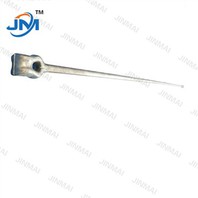
Hey there! I'm a supplier of line iron parts, and today I wanna chat about how to connect different line iron parts together. It's a topic that's super important in various industries, from construction to electrical work. Whether you're a DIY enthusiast or a professional in the field, getting the connection right can make all the difference in the performance and safety of your project.
First off, let's talk about the types of connections. There are a few common methods, and each has its own pros and cons. One of the most basic ways is using bolts and nuts. This is a simple and widely used method. You just drill holes in the parts you want to connect, insert the bolts, and then tighten the nuts. It's easy to do, and you can disassemble the connection later if needed. However, it might not be the best option if you're dealing with high - stress situations, as the bolts can loosen over time.
Another popular method is welding. Welding creates a permanent and strong connection between the line iron parts. When you weld, you're essentially melting the metal of the two parts together, so they become one solid piece. This is great for applications where you need a really strong and durable connection, like in heavy - duty construction projects. But welding requires special skills and equipment. You need to be trained to use a welding machine properly, and there are safety concerns involved, such as the risk of burns and exposure to harmful fumes.
Now, let's move on to some specific line iron parts and how to connect them. Take the Hot Dip Galvanized Stay Rod for example. These rods are often used to provide support in structures. To connect a hot - dip galvanized stay rod to other parts, you can use turnbuckles. A turnbuckle is a device with two threaded ends that can be adjusted to tighten or loosen the rod. First, you attach the turnbuckle to the stay rod and the other part using appropriate fittings. Then, you can turn the body of the turnbuckle to adjust the tension of the rod, ensuring that it provides the right amount of support.
PD Clevises are another type of line iron part. Clevises are used to create a flexible connection between two parts. They have a U - shaped end with a pin that allows for some movement. To connect a PD clevis to another part, you simply align the holes in the clevis with the holes in the other part and insert a pin. This type of connection is useful in applications where there is some vibration or movement, as it can accommodate these forces without breaking.
The Triple Eye Anchor Rod is a bit more complex. It has three eyes, which can be used to connect to multiple parts. You can use bolts or pins to connect the eyes of the triple - eye anchor rod to other line iron parts. This rod is often used in situations where you need to anchor a structure to the ground or to other stable objects.


When connecting different line iron parts, it's also important to consider the surface condition of the parts. If the parts are dirty or have rust on them, it can affect the quality of the connection. For example, if you're welding, rust can cause porosity in the weld, which weakens the joint. So, it's a good idea to clean the parts before making the connection. You can use a wire brush to remove rust and dirt, and then apply a primer or a protective coating if necessary.
Another factor to keep in mind is the compatibility of the parts. Make sure that the parts you're connecting are designed to work together. For example, if you're using bolts, make sure that the size and thread pitch of the bolts match the holes in the parts. Using incompatible parts can lead to a weak or unstable connection.
In addition to the mechanical connections, you might also need to consider electrical connections in some cases. If you're working on an electrical project, you need to ensure that the line iron parts are properly grounded. This helps to prevent electrical shocks and reduces the risk of electrical fires. You can use grounding wires and connectors to connect the parts to the ground.
Now, I know this might seem like a lot of information, but don't worry. As a line iron parts supplier, I'm here to help. Whether you're not sure which connection method to use or which parts are right for your project, I can offer you expert advice. I've been in this business for a while, and I've seen all sorts of projects, from small home repairs to large - scale industrial constructions.
If you're interested in purchasing line iron parts or need more information about connecting them, feel free to reach out. I can provide you with high - quality parts at competitive prices. And if you have any specific requirements, like custom - made parts, I can work with you to meet those needs.
In conclusion, connecting different line iron parts together requires careful consideration of the connection method, the type of parts, and various other factors. By following the right procedures and using the appropriate parts, you can ensure a strong, durable, and safe connection for your project. So, don't hesitate to get in touch if you're planning a project that involves line iron parts. I'm looking forward to helping you out!
References
- General knowledge from years of experience in the line iron parts industry.
- Technical manuals and specifications of line iron parts.