Hey there! I'm a supplier of cable components, and I often get asked about how to select the right cable components for outdoor use. It's a crucial question because outdoor environments can be pretty harsh, and the wrong components can lead to all sorts of problems. So, in this blog, I'm gonna share some tips on picking the best cable components for outdoor applications.
Understanding the Outdoor Environment
First things first, you need to understand the outdoor environment where the cable components will be used. Different outdoor conditions can have a big impact on the performance and lifespan of the components.
Weather Conditions
Weather is one of the most significant factors. If you're in an area with a lot of rain, snow, or high humidity, you'll need components that are resistant to corrosion. For example, in coastal areas, the salt in the air can cause metal components to rust quickly. So, look for components made from materials like stainless steel or aluminum, which are more corrosion-resistant.
Temperature is another important aspect. Extreme cold can make some materials brittle, while high heat can cause them to expand or lose their strength. If you're in a place with very cold winters, choose components that are rated for low temperatures. And in hot climates, make sure the components can withstand the heat without deforming.
UV Exposure
The sun's ultraviolet (UV) rays can also damage cable components over time. Plastics and rubber materials are particularly susceptible to UV degradation, which can make them crack and break. When selecting components like cable jackets or insulation, look for ones that are UV-resistant. Some manufacturers add UV stabilizers to their materials to protect against this.
Physical Hazards
Outdoor areas can have all sorts of physical hazards, such as wildlife, human activity, and mechanical stress. For example, animals might chew on cables, or people could accidentally damage components. You'll need to choose components that are durable and can withstand these potential hazards.
Types of Cable Components for Outdoor Use
Now that you understand the outdoor environment, let's take a look at some common cable components used outdoors and what to consider when selecting them.

Cable Jackets
The cable jacket is the outer layer of the cable that protects the inner conductors. For outdoor use, you'll want a jacket that is tough and resistant to environmental factors. PVC (polyvinyl chloride) is a popular choice because it's relatively inexpensive and offers good resistance to moisture and chemicals. However, it's not very UV-resistant, so it might not be the best option in areas with a lot of sun exposure.
On the other hand, polyethylene (PE) is a more UV-resistant material, making it a better choice for outdoor cables. It's also flexible and has good resistance to abrasion. Some cables use a combination of PVC and PE to get the best of both worlds.

Connectors
Connectors are used to join cables together or connect them to other devices. When choosing connectors for outdoor use, you need to consider their waterproof and dustproof capabilities. Look for connectors with an IP (Ingress Protection) rating. The IP rating consists of two numbers: the first number indicates the protection against solid objects, and the second number indicates the protection against liquids. For example, an IP67-rated connector is dust-tight and can be submerged in water up to 1 meter for a short period.
Another important factor is the material of the connector. Like with other components, stainless steel or aluminum connectors are more corrosion-resistant than regular steel ones.
Pig tail ball head
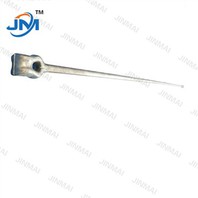
Pig tail ball heads are useful for connecting cables in various outdoor applications. They provide a flexible connection point that can withstand some movement. When selecting a Pig tail ball head, make sure it's made from a durable material that can handle the outdoor environment. Look for ones with a smooth surface to prevent damage to the cables.
Hardware Pole Line Hook
Hardware pole line hooks are used to support cables on poles. They need to be strong enough to hold the weight of the cables and withstand wind and other environmental forces. When choosing a Hardware Pole Line Hook, consider its size and load capacity. Also, make sure it's properly coated to prevent corrosion.
Cable Pole Hook
Cable pole hooks are similar to hardware pole line hooks but are specifically designed for cables. They should be easy to install and remove, and they need to provide a secure connection to the pole. When selecting a Cable Pole Hook, look for ones with a good grip and a design that won't damage the cables.
Other Considerations
In addition to the factors mentioned above, there are a few other things to keep in mind when selecting cable components for outdoor use.
Compatibility
Make sure the components you choose are compatible with each other and with the cables they'll be used with. For example, the connectors need to fit the cable size and type correctly. Using incompatible components can lead to poor performance and even safety hazards.
Standards and Regulations
There are various standards and regulations that govern the use of cable components in outdoor applications. Make sure the components you select meet these standards. This will ensure that they are safe and reliable.
Cost
Of course, cost is always a consideration. While it's important to choose high-quality components, you also don't want to overspend. Compare prices from different suppliers and look for components that offer a good balance between quality and cost.
Conclusion
Selecting the right cable components for outdoor use is essential for ensuring the performance and longevity of your cable systems. By understanding the outdoor environment, choosing the right types of components, and considering other factors like compatibility, standards, and cost, you can make informed decisions.
If you're in the market for cable components for outdoor use, I'd love to help. I'm a supplier with a wide range of high-quality cable components that are suitable for various outdoor applications. Whether you need cable jackets, connectors, or any of the other components we've discussed, I can provide you with the right products at competitive prices. Just reach out to me, and we can start discussing your specific needs. Let's work together to find the perfect cable components for your outdoor projects!
References
- Electrical Wiring Handbook
- National Electrical Code (NEC)
- Industry standards for cable components