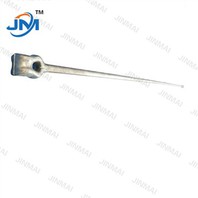
Hey there! As a supplier of overhead line fittings, I've dealt with all sorts of packaging requirements over the years. In this blog, I'm gonna share with you what those packaging requirements are and why they're so important.
First off, let's talk about why proper packaging matters. Overhead line fittings are crucial components in electrical power transmission and distribution systems. They need to be protected during transit and storage to ensure they arrive at their destination in perfect working condition. If they get damaged because of poor packaging, it can lead to all sorts of problems, like delays in installation, extra costs for replacement, and even safety hazards.
Protection from Physical Damage
One of the main packaging requirements for overhead line fittings is protection from physical damage. These fittings are often made of metal, like steel or aluminum, and they can be quite heavy and bulky. During shipping, they can be jostled around, stacked on top of each other, or even dropped accidentally. So, the packaging has to be strong enough to withstand these impacts.
For smaller fittings, like nuts, bolts, and washers, we usually use small plastic bags or boxes. These are sealed tightly to prevent the parts from rattling around and getting scratched or dented. We might also add some cushioning material, like foam or bubble wrap, inside the bags or boxes to provide extra protection.
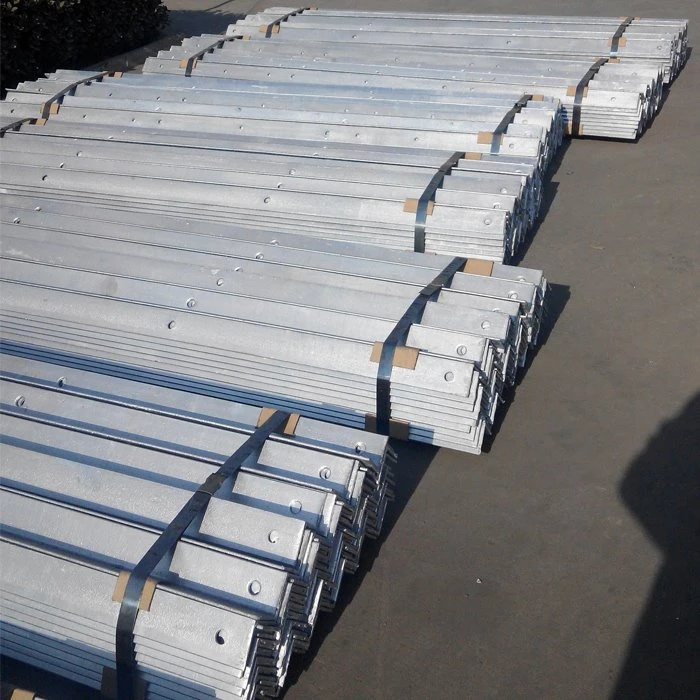
Bigger fittings, such as Cable Accessories Iron Cross Arm and Steel Angle Cross Arm, need more robust packaging. We typically use wooden crates or pallets. The crates are custom - built to fit the size and shape of the fittings. The fittings are secured inside the crates with straps or braces to keep them from moving during transit. The pallets are also a great option for large and heavy fittings. They make it easier to load and unload the goods using forklifts, and they provide a stable base for the fittings.
Resistance to Environmental Factors
Overhead line fittings are often exposed to various environmental factors during storage and transportation. Moisture, for example, can cause corrosion, especially on metal fittings. So, the packaging needs to be resistant to moisture.
We use moisture - resistant materials like plastic sheets or bags to wrap the fittings. For larger crates, we might line the inside with a moisture - barrier film. This helps to keep the fittings dry and prevent rusting.
In addition to moisture, sunlight and extreme temperatures can also affect the quality of the fittings. UV rays from the sun can degrade some of the materials used in the fittings over time. High temperatures can cause expansion, and low temperatures can make the materials brittle. To protect against these factors, we use packaging materials that can shield the fittings from sunlight and provide some insulation against temperature changes.
Compatibility with Shipping Methods
The packaging of overhead line fittings also has to be compatible with different shipping methods. Whether it's by truck, train, ship, or plane, the packaging needs to meet the requirements of each mode of transportation.
For truck shipping, the packaging has to be able to withstand the vibrations and shocks of the road. The crates and pallets need to be secured properly to prevent them from shifting during transit. If the fittings are being shipped by train, they may be subject to longer - term storage and more handling, so the packaging has to be durable enough to last.
When it comes to shipping by sea, the packaging has to be resistant to saltwater and the harsh marine environment. We often use special coatings on the wooden crates or plastic covers to protect the fittings from salt spray. And for air shipping, the packaging needs to be lightweight yet strong enough to protect the fittings, as there are usually weight restrictions.
Labeling and Identification
Proper labeling and identification are also important packaging requirements. Each package should have a clear label that includes information such as the name of the fitting, its model number, quantity, and the destination address. This helps to ensure that the right fittings are delivered to the right place.
We also include handling instructions on the labels. For example, if a fitting is fragile or needs to be stored in a certain position, the label will indicate this. This helps the shipping and handling personnel to take the necessary precautions when dealing with the packages.
Standardization and Compliance
There are industry standards and regulations that govern the packaging of overhead line fittings. These standards ensure that the packaging is safe, effective, and environmentally friendly.
We make sure that our packaging materials meet all the relevant standards. For example, the wooden crates we use are often made from sustainably sourced wood, and they are treated to prevent pests and diseases. The plastic bags and sheets we use are recyclable or biodegradable whenever possible.

By complying with these standards, we not only ensure the quality and safety of our products but also contribute to a more sustainable future.
Cost - effectiveness
While it's important to have high - quality packaging, we also need to consider cost - effectiveness. We want to provide the best possible protection for our overhead line fittings without breaking the bank.
We constantly look for ways to optimize our packaging solutions. For example, we might use less expensive but still effective cushioning materials, or we might design the crates and pallets in a way that minimizes the use of materials while still providing adequate protection.

Customization for Different Customers
Not all customers have the same packaging requirements. Some may need special packaging for specific projects or locations. For example, a customer in a remote area may need extra - durable packaging to withstand rough handling during transportation.
We offer customized packaging solutions to meet the unique needs of our customers. We work closely with them to understand their requirements and then design and produce the appropriate packaging.
Conclusion
In conclusion, the packaging requirements for overhead line fittings are complex and multi - faceted. From protecting the fittings from physical damage and environmental factors to ensuring compatibility with shipping methods, proper labeling, standardization, cost - effectiveness, and customization, there are many aspects to consider.
As a supplier of Overhead Pole Line Hardware and other overhead line fittings, we take these requirements very seriously. We're committed to providing our customers with high - quality products that are well - packaged and ready for use.
If you're in the market for overhead line fittings and have any questions about our packaging or products, don't hesitate to reach out. We'd love to have a chat with you and discuss how we can meet your specific needs. Let's work together to ensure your power transmission and distribution projects run smoothly.
References
- Electrical Equipment Packaging Guidelines. Industry Standards Association.
- Handbook of Overhead Line Fittings. Professional Engineers' Society.
- Best Practices in Shipping and Packaging for Industrial Products. Logistics Research Institute.