Hey there! As a supplier of cable components, I've seen a wide range of these nifty parts in action. Cable components are super important in all sorts of industries, from telecommunications to construction. They help keep cables in place, connect different parts of a system, and ensure everything runs smoothly. So, let's dive into the common types of cable components that I deal with on a daily basis.
1. Connectors
Connectors are like the handshake of the cable world. They're used to join two or more cables together or connect a cable to a device. There are tons of different types of connectors, each designed for a specific purpose.
- RJ45 Connectors: You've probably seen these if you've ever dealt with Ethernet cables. They're those small, rectangular connectors with eight pins. RJ45 connectors are super common in networking, allowing devices like computers, routers, and switches to communicate with each other. They're easy to install and provide a reliable connection.
- BNC Connectors: These are used mainly in coaxial cable systems, like those for cable TV or radio frequency applications. BNC connectors have a bayonet-style locking mechanism, which makes them quick to connect and disconnect. They're great for high-frequency signals and are often used in professional audio and video setups.
- USB Connectors: USB (Universal Serial Bus) connectors are everywhere. You'll find them on your computer, phone, tablets, and all sorts of other devices. There are different types of USB connectors, like USB-A, USB-B, and USB-C. USB-C is the latest and greatest, offering faster data transfer speeds and more power delivery capabilities.
2. Adapters
Adapters are like translators in the cable world. They allow you to connect cables or devices that wouldn't normally work together.


- HDMI to VGA Adapter: If you have an older monitor with a VGA port but a new device that only has an HDMI output, this adapter is your friend. It converts the HDMI signal into a VGA signal, so you can use your old monitor with your new device.
- USB to Ethernet Adapter: Sometimes, your laptop might not have an Ethernet port, but you need a wired internet connection. A USB to Ethernet adapter solves this problem by allowing you to connect an Ethernet cable to your laptop via a USB port.
3. Clamps and Fasteners
Clamps and fasteners are used to hold cables in place and prevent them from moving around.
- Cable Clamps: These are simple devices that come in different shapes and sizes. They're used to secure cables to walls, poles, or other structures. Cable clamps can be made of plastic or metal, depending on the application. For example, in a home setup, plastic cable clamps are usually sufficient, but in an industrial environment, metal clamps might be needed for more durability.
- Zip Ties: Zip ties are cheap and easy to use. They're great for bundling cables together. You can use them to organize cables behind your computer desk or in a server room. Just wrap the zip tie around the cables and pull it tight.
4. Insulators
Insulators are crucial for keeping electricity or signals where they're supposed to be and preventing interference.
- Porcelain Insulators: These are commonly used in high-voltage power lines. Porcelain is a great insulator because it can withstand high temperatures and electrical stresses. Porcelain insulators come in different shapes and sizes, depending on the voltage and the environment they'll be used in.
- Rubber Insulators: Rubber is a flexible and good insulator. It's often used in low-voltage applications, like electrical cords. Rubber insulators can also provide some protection against physical damage.
5. Hooks and Bolts
Hooks and bolts are used to support and hang cables.
- Hardware Pole Line Hook: These hooks are designed to be attached to poles and are used to support overhead cables. They're made of strong materials, like steel, to withstand the weight of the cables and the forces of nature, such as wind and ice.
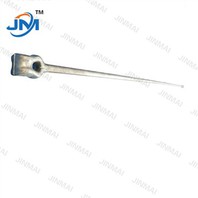
- Pigtail Hook Bolts: Pigtail hook bolts are used to connect cables to other components or structures. They have a unique design that allows for easy installation and a secure connection.
- Pig tail ball head: Pig tail ball head is another type of hook that's often used in cable installations. It provides a flexible connection point and can be used in various applications.
6. Terminals
Terminals are used to end a cable and provide a connection point for other components.
- Ring Terminals: Ring terminals are circular in shape and are used to connect cables to screws or studs. They're commonly used in electrical systems, like automotive wiring. Ring terminals come in different sizes, depending on the gauge of the cable and the size of the screw or stud.
- Spade Terminals: Spade terminals are flat and have a fork-like shape. They're easy to install and are often used in low-voltage electrical applications. You can use them to connect wires to switches, relays, or other components.
Why Choose Our Cable Components?
At our company, we pride ourselves on providing high-quality cable components. We source our materials from reliable suppliers and use strict quality control measures to ensure that our products meet the highest standards. Our components are durable, reliable, and designed to work in a variety of environments. Whether you're a small business owner setting up a new network or a large construction company working on a big project, we have the cable components you need.
If you're in the market for cable components, we'd love to hear from you. Whether you have a specific need or just want to learn more about our products, feel free to reach out. We're here to help you find the right cable components for your project and offer competitive prices and excellent customer service. So, don't hesitate to get in touch and start your procurement process with us.
References
- "Cable Installation Handbook" - A comprehensive guide on cable installation and the use of cable components.
- Industry standards and specifications from organizations like IEEE and UL.