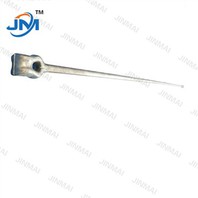
As a leading supplier of insulator spindles, I've spent years delving into the various aspects of these crucial electrical components. One question that often arises in discussions with clients is about the color stability of an insulator spindle. In this blog, I'll explore what color stability means for insulator spindles, why it matters, and the factors that influence it.
Understanding Color Stability in Insulator Spindles
Color stability refers to the ability of an insulator spindle to maintain its original color over time. This might seem like a minor concern at first glance, but it can have significant implications for both the performance and the aesthetic appeal of the insulator.
In the electrical industry, insulator spindles come in a variety of colors, often chosen for specific reasons. For example, certain colors may be used to indicate different voltage ratings or to comply with industry standards. A stable color ensures that these visual cues remain accurate and reliable throughout the lifespan of the insulator.
Why Color Stability Matters
Performance Indicator
Color can be an indicator of the insulator's overall condition. A change in color may suggest that the insulator has been exposed to excessive heat, chemical contaminants, or other environmental factors that could compromise its insulating properties. For instance, if an insulator spindle starts to turn yellow or brown, it might be a sign of degradation due to UV exposure or overheating. By monitoring the color stability, electrical engineers and maintenance personnel can detect potential issues early and take preventive measures to avoid costly failures.
Aesthetic and Branding
In addition to performance, color stability is also important for aesthetic and branding purposes. Many utility companies and electrical contractors have specific color requirements for their insulator spindles to match their corporate colors or to blend in with the surrounding environment. A spindle that fades or changes color can detract from the overall appearance of the electrical installation and may even cause confusion if the color-coding system is no longer clear.
Factors Affecting Color Stability
UV Exposure
One of the most common factors that can affect the color stability of an insulator spindle is ultraviolet (UV) radiation from the sun. UV rays can break down the chemical bonds in the insulator material, causing it to fade or change color over time. This is particularly true for insulators made from organic materials such as polymers. To mitigate the effects of UV exposure, manufacturers often add UV stabilizers to the insulator material during the manufacturing process. These stabilizers help to absorb or reflect the UV rays, protecting the insulator from damage.


Temperature and Humidity
Extreme temperatures and high humidity levels can also have an impact on the color stability of an insulator spindle. High temperatures can cause the insulator material to expand and contract, which can lead to cracking and discoloration. Humidity can also promote the growth of mold and mildew on the surface of the insulator, which can stain the material and cause it to lose its color. To ensure color stability in harsh environmental conditions, insulators are often designed with special coatings or materials that are resistant to temperature and humidity changes.
Chemical Exposure
Insulator spindles may be exposed to a variety of chemicals in their operating environment, including acids, alkalis, and solvents. These chemicals can react with the insulator material, causing it to change color or degrade. For example, exposure to sulfuric acid can cause an insulator to turn black or brown. To protect against chemical exposure, insulators are often made from materials that are resistant to chemical corrosion or are coated with a protective layer.
Our Solutions for Color Stability
At our company, we understand the importance of color stability in insulator spindles. That's why we use only the highest quality materials and advanced manufacturing techniques to ensure that our insulators maintain their color and performance over time.
We offer a wide range of insulator spindles, including POLE TOP, Voltage Insulator Spindle, and Crossarm Long Shank Spindle. All of our insulators are designed to withstand the most challenging environmental conditions and are tested rigorously for color stability and other performance parameters.
In addition to using high-quality materials, we also add UV stabilizers and other additives to our insulator formulations to enhance their color stability. Our insulators are also coated with a special protective layer that helps to prevent chemical corrosion and moisture damage.
Conclusion
Color stability is an important aspect of insulator spindle performance and aesthetics. By understanding the factors that affect color stability and taking appropriate measures to protect against them, we can ensure that our insulator spindles maintain their original color and performance over their entire lifespan.
If you're in the market for high-quality insulator spindles with excellent color stability, we invite you to contact us for more information. Our team of experts is always ready to assist you with your specific requirements and to provide you with the best solutions for your electrical applications. Whether you need a small quantity of insulators for a single project or a large order for a long-term contract, we can meet your needs.
References
- "Electrical Insulation Materials and Their Applications" by John W. S. Hearn
- "Handbook of Polymer Science and Technology" edited by Herman F. Mark, et al.
- Industry standards and guidelines related to electrical insulators.