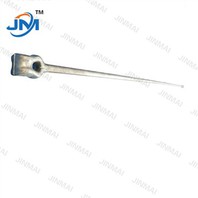
Hey there! As a supplier of Line Iron Parts, I often get asked about the maintenance schedules for these essential components. In this blog, I'm gonna break down everything you need to know about keeping your line iron parts in top - notch condition.
Let's start by understanding why maintenance is so crucial for line iron parts. These parts are used in a wide range of applications, from electrical systems to mechanical setups. They're constantly exposed to various environmental factors, like moisture, heat, and corrosion. Without proper maintenance, they can degrade quickly, leading to system failures, safety hazards, and costly repairs or replacements.
General Maintenance Schedule
Daily Checks
On a daily basis, it's a good idea to do a visual inspection of your line iron parts. Look for any obvious signs of damage, like cracks, breaks, or excessive wear. Check if the parts are loose or if there are any abnormal vibrations. For example, in electrical setups, daily checks can prevent short - circuits caused by loose or damaged parts. If you notice anything unusual, it's important to take immediate action. You can tighten loose parts or mark the damaged ones for further examination.
Weekly Maintenance
Once a week, you should clean the line iron parts. Use a soft brush or a cloth to remove dust, dirt, and debris. These contaminants can accumulate over time and cause abrasion, which can reduce the lifespan of the parts. For parts that are exposed to more dirt, like those in outdoor or industrial environments, you may need to use a mild cleaning solution. Just make sure it's compatible with the iron material to avoid any chemical reactions.
Also, check the lubrication of moving line iron parts. Insufficient lubrication can lead to increased friction, which not only wears out the parts faster but can also consume more energy. Add lubricant as needed, following the manufacturer's recommendations.
Monthly Inspections
Monthly maintenance is a bit more in - depth. You'll want to measure the key parameters of the line iron parts. For electrical line iron parts, check the electrical conductivity, resistance, and insulation. Any significant changes in these values can indicate a problem. You might need specialized tools like multimeters to perform these measurements accurately.
In the case of mechanical line iron parts, check the alignment and clearance. Misaligned parts can put extra stress on other components, leading to premature failure. You may need to use measuring tools such as calipers to ensure that the parts are within the specified tolerances.
Quarterly Servicing
Quarterly servicing involves a comprehensive overhaul. Check the corrosion levels of the line iron parts. Iron is prone to rust, especially in humid or corrosive environments. For parts that are at risk of corrosion, consider applying a protective coating. Hot - DIP Galvanized Link - Fittings Ball Eye is an example of a product with a hot - dip galvanized coating that provides excellent corrosion resistance.
Inspect the fasteners and connections. Over time, they can loosen due to vibrations or temperature changes. Tighten or replace any loose or damaged fasteners. Also, test the functionality of the line iron parts in the system. Make sure they're operating as intended and that there are no hidden issues.
Annual Maintenance
Once a year, it's time for a full - scale inspection and possible replacement of worn - out parts. Analyze the performance data collected throughout the year. If a particular part has been showing signs of degradation or has reached its expected lifespan, it's better to replace it before it causes a major problem.


For example, Electrical Fittings Door Opener Iron Fittings used in door opener systems should be thoroughly inspected annually. Check the mechanical and electrical functions to ensure smooth operation and safety.
Special Considerations
Environmental Factors
The environment where the line iron parts are used plays a huge role in determining the maintenance schedule. In coastal areas, where the air is salty and humid, corrosion can be a major issue. You may need to increase the frequency of corrosion checks and apply protective coatings more often.
In industrial settings with high levels of dust or chemical exposure, more frequent cleaning and inspections are necessary. For example, parts used in a factory with a lot of metal shavings may need to be cleaned daily to prevent the shavings from causing damage.
Usage Intensity
If the line iron parts are used in high - intensity applications, like in heavy - duty machinery that operates 24/7, they'll experience more wear and tear. In such cases, you'll likely need to shorten the maintenance intervals. More frequent lubrication, inspections, and part replacements may be required to keep the system running smoothly.
Importance of Following the Schedule
Following a proper maintenance schedule for line iron parts can save you a lot of money in the long run. By preventing major failures, you avoid costly downtime and expensive repairs. It also enhances the safety of your systems, whether they're electrical, mechanical, or a combination of both.
Moreover, well - maintained line iron parts can improve the overall efficiency of your equipment. For example, properly lubricated moving parts reduce energy consumption, and well - aligned electrical parts ensure optimal power transmission.
Guide to Purchase and Collaboration
If you're looking for high - quality line iron parts, you've come to the right place. As a reliable supplier, we offer a wide range of products, including top - of - the - line Hot - dip Galvanized Cast Thimble Clevis. Our parts are designed to meet the highest industry standards and come with excellent after - sales support.
We understand that every customer has unique needs, and we're committed to providing customized solutions. Whether you need a small quantity for a DIY project or a large - scale order for an industrial application, we can accommodate you.
If you're interested in purchasing our line iron parts or have any questions about maintenance or product specifications, don't hesitate to reach out. We're always here to help you make the best decisions for your projects.
References
- "Maintenance Handbook for Industrial Equipment"
- "Corrosion Prevention and Control in Metal Parts"
- "Electrical System Maintenance Guide"