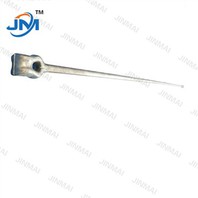
As a supplier of Steel Angle Cross Arms, I've witnessed firsthand the critical role these components play in overhead power line infrastructure. One of the most frequently asked questions from our customers is about the anti-oxidation performance of our Steel Angle Cross Arms. In this blog, I'll delve into the science behind this performance, its importance, and how we ensure our products meet the highest standards.
Understanding Oxidation in Steel Angle Cross Arms
Oxidation, commonly known as rusting in the context of steel, is a chemical reaction that occurs when iron in the steel reacts with oxygen in the presence of water or moisture. This process forms iron oxide, which weakens the steel structure over time. For Steel Angle Cross Arms, which are often exposed to the elements, oxidation can lead to several problems.
Firstly, it can reduce the structural integrity of the cross arms. As the iron oxide forms, it expands, causing the steel to crack and flake. This can lead to a loss of strength, making the cross arms more prone to bending or breaking under load. Secondly, oxidation can affect the electrical conductivity of the cross arms, which is crucial in power transmission. Rust can create a layer of insulation on the surface, increasing resistance and potentially leading to power losses.
Factors Affecting Anti-Oxidation Performance
Several factors influence the anti-oxidation performance of Steel Angle Cross Arms:
- Material Quality: The type and quality of steel used play a significant role. High-quality steel with a low carbon content and the right alloying elements is more resistant to oxidation. For example, steel containing chromium can form a thin, protective oxide layer on the surface, preventing further oxidation.
- Coating: Applying a protective coating is one of the most effective ways to enhance anti-oxidation performance. Common coatings include galvanization, which involves coating the steel with a layer of zinc. Zinc is more reactive than iron, so it corrodes first, protecting the underlying steel. Other coatings, such as epoxy or polyurethane, can also provide a barrier against moisture and oxygen.
- Environmental Conditions: The environment in which the cross arms are installed has a major impact on oxidation. Areas with high humidity, saltwater exposure, or industrial pollution are more corrosive. For instance, cross arms installed near the coast are exposed to saltwater spray, which accelerates the oxidation process.
Our Approach to Ensuring Anti-Oxidation Performance
At our company, we take several measures to ensure the anti-oxidation performance of our Steel Angle Cross Arms:
- Material Selection: We source high-quality steel from reputable suppliers. Our steel is carefully tested to meet strict quality standards, ensuring it has the right composition for maximum corrosion resistance.
- Galvanization Process: We use a hot-dip galvanizing process to coat our cross arms with a thick layer of zinc. This process involves immersing the steel in a bath of molten zinc, which forms a metallurgical bond with the steel surface. The zinc coating provides long-term protection against oxidation, even in harsh environments.
- Quality Control: We have a rigorous quality control system in place to ensure that every cross arm meets our anti-oxidation standards. Our products are inspected at multiple stages of production, from raw material inspection to final product testing. We also conduct regular environmental tests to simulate real-world conditions and verify the long-term performance of our coatings.
Benefits of Good Anti-Oxidation Performance
Investing in Steel Angle Cross Arms with good anti-oxidation performance offers several benefits:
- Longer Lifespan: Cross arms that resist oxidation last longer, reducing the need for frequent replacements. This not only saves costs but also minimizes downtime in power transmission.
- Enhanced Safety: Structural integrity is crucial for the safety of power lines. By preventing oxidation and maintaining the strength of the cross arms, we ensure the reliability and safety of the entire power infrastructure.
- Improved Efficiency: Good anti-oxidation performance helps maintain the electrical conductivity of the cross arms, reducing power losses and improving the overall efficiency of power transmission.
Applications and Related Products
Steel Angle Cross Arms are widely used in Electric Power Stringing and Overhead Pole Line Hardware systems. They provide a stable support structure for overhead power lines, ensuring the safe and efficient transmission of electricity.
In addition to Steel Angle Cross Arms, we also offer a range of related products, such as insulators, clamps, and connectors. These products are designed to work together seamlessly, providing a comprehensive solution for overhead power line infrastructure.
Contact Us for Purchasing and Consultation
If you're in the market for high-quality Steel Angle Cross Arms with excellent anti-oxidation performance, look no further. Our products are designed to meet the most demanding requirements of the power industry. Whether you're a utility company, a contractor, or an installer, we can provide you with the right solution for your project.
To learn more about our Steel Angle Cross Arms and other Overhead Line Fittings, please contact us. Our team of experts is ready to assist you with product selection, technical advice, and purchasing inquiries. Let's work together to build a more reliable and efficient power infrastructure.


References
- ASCE (American Society of Civil Engineers). "Standard for Design of Transmission Pole Structures."
- ASTM (American Society for Testing and Materials). "Standards for Steel Products and Coatings."
- IEEE (Institute of Electrical and Electronics Engineers). "Guide for the Design and Installation of Overhead Transmission Line Conductors."