Tolerance stack-up issues are a critical concern in the assembly of metal stamping parts. As a trusted supplier of metal stamping parts, I've witnessed firsthand how these issues can impact the quality, functionality, and overall success of a product. In this blog post, I'll delve into the intricacies of tolerance stack-up in metal stamping part assembly, explore its causes, effects, and share strategies to mitigate these challenges.
Understanding Tolerance Stack-Up
Tolerance stack-up occurs when the individual tolerances of multiple parts combine during the assembly process, potentially leading to a cumulative deviation from the desired specifications. In the context of metal stamping parts, each component is manufactured with a specified tolerance range to account for variations in the manufacturing process. When these parts are assembled, the tolerances can either stack up in a way that results in a part that is still within the acceptable range or, in some cases, exceed the limits, causing problems.
For instance, consider a simple assembly of three metal stamping parts: a base plate, a bracket, and a cover. Each part has its own tolerance for dimensions such as length, width, and thickness. When these parts are assembled, the tolerances of each part can add up, potentially leading to misalignments, interference, or gaps that can affect the functionality of the final product.
Causes of Tolerance Stack-Up in Metal Stamping Part Assembly
Several factors contribute to tolerance stack-up in the assembly of metal stamping parts. Understanding these causes is crucial for developing effective strategies to manage and minimize their impact.
Manufacturing Variations
The metal stamping process involves several steps, including blanking, punching, bending, and forming. Each of these steps introduces variations in the dimensions and shape of the parts. For example, the accuracy of the stamping dies, the quality of the raw material, and the stability of the stamping press can all affect the final dimensions of the parts. Even small variations in these factors can accumulate over multiple parts, leading to significant tolerance stack-up.
Design Complexity
The design of the metal stamping parts and the assembly itself can also contribute to tolerance stack-up. Complex designs with multiple features, tight clearances, and intricate geometries are more prone to tolerance issues. For example, parts with complex bends or multiple holes that need to align precisely can be challenging to manufacture and assemble within the specified tolerances.
Assembly Process
The way the parts are assembled can also have a significant impact on tolerance stack-up. Improper assembly techniques, such as incorrect alignment, excessive force, or the use of incorrect tools, can cause the parts to shift or deform, leading to additional tolerance variations. Additionally, the sequence of assembly can affect how the tolerances stack up. For example, if parts are assembled in the wrong order, it can be more difficult to correct any tolerance issues that arise.
Effects of Tolerance Stack-Up
Tolerance stack-up can have several negative effects on the assembly of metal stamping parts, including:
Functionality Issues
One of the most significant effects of tolerance stack-up is its impact on the functionality of the final product. Misalignments, interference, or gaps between parts can prevent the product from operating correctly. For example, if a bracket is not aligned properly with a base plate, it can cause the attached component to malfunction or fail prematurely.
Quality and Reliability
Tolerance stack-up can also affect the quality and reliability of the product. Parts that are out of tolerance can lead to increased wear and tear, reduced durability, and a higher likelihood of failure. This can result in costly repairs, replacements, and customer dissatisfaction.
Assembly Difficulties
Excessive tolerance stack-up can make the assembly process more difficult and time-consuming. Workers may need to spend extra time adjusting or reworking parts to ensure proper fit and alignment. This can lead to increased labor costs and reduced productivity.
Strategies to Mitigate Tolerance Stack-Up
As a metal stamping parts supplier, I've developed several strategies to mitigate tolerance stack-up issues and ensure the high quality of our products. Here are some of the key approaches we use:

Design Optimization
Working closely with our customers during the design phase is crucial for minimizing tolerance stack-up. We use advanced design tools and techniques to analyze the potential impact of tolerances on the assembly and make necessary adjustments to the design. This may include simplifying the design, increasing clearances, or using features that are more forgiving of tolerance variations.
Precision Manufacturing
Investing in high-quality stamping dies, advanced manufacturing equipment, and skilled operators is essential for producing metal stamping parts with tight tolerances. We use state-of-the-art CNC machining and stamping technology to ensure the accuracy and consistency of our parts. Additionally, we implement rigorous quality control measures at every stage of the manufacturing process to detect and correct any tolerance issues early on.
Assembly Process Improvement
Optimizing the assembly process is another important strategy for reducing tolerance stack-up. We use fixtures and jigs to ensure accurate alignment and positioning of the parts during assembly. Additionally, we train our assembly workers on proper assembly techniques and provide them with the necessary tools and equipment to ensure consistent and precise assembly.
Tolerance Analysis
Conducting tolerance analysis is a critical step in understanding and managing tolerance stack-up. We use statistical methods and software tools to analyze the cumulative effect of tolerances on the assembly and identify potential problem areas. This allows us to make informed decisions about design modifications, manufacturing processes, and assembly techniques to minimize the impact of tolerance stack-up.
Real-World Examples of Tolerance Stack-Up Issues
To illustrate the importance of managing tolerance stack-up in metal stamping part assembly, let's look at some real-world examples.
Vibration Damper Type For FD, FG, FR
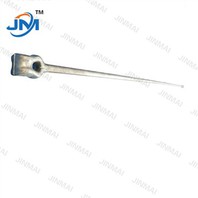
The Vibration Damper Type For FD, FG, FR is a critical component in many industrial applications. It is designed to reduce vibrations and noise, improving the performance and reliability of the equipment. However, tolerance stack-up in the assembly of the metal stamping parts used in the vibration damper can lead to misalignments and interference, reducing its effectiveness. By implementing strict quality control measures and conducting tolerance analysis, we were able to ensure that the parts were manufactured and assembled within the specified tolerances, resulting in a high-quality vibration damper that met our customer's requirements.
Down Lead Clamp With Pole For ADSS Cable
The Down Lead Clamp With Pole For ADSS Cable is used to secure the down lead cable to the pole in telecommunications networks. Tolerance stack-up in the assembly of the metal stamping parts can cause the clamp to be loose or misaligned, leading to cable movement and potential damage. To address this issue, we optimized the design of the parts to reduce the impact of tolerance variations and implemented a robust assembly process that ensured proper alignment and tightening of the clamp.
Hot Dip Galvanized Three Bolt Wire Clamp
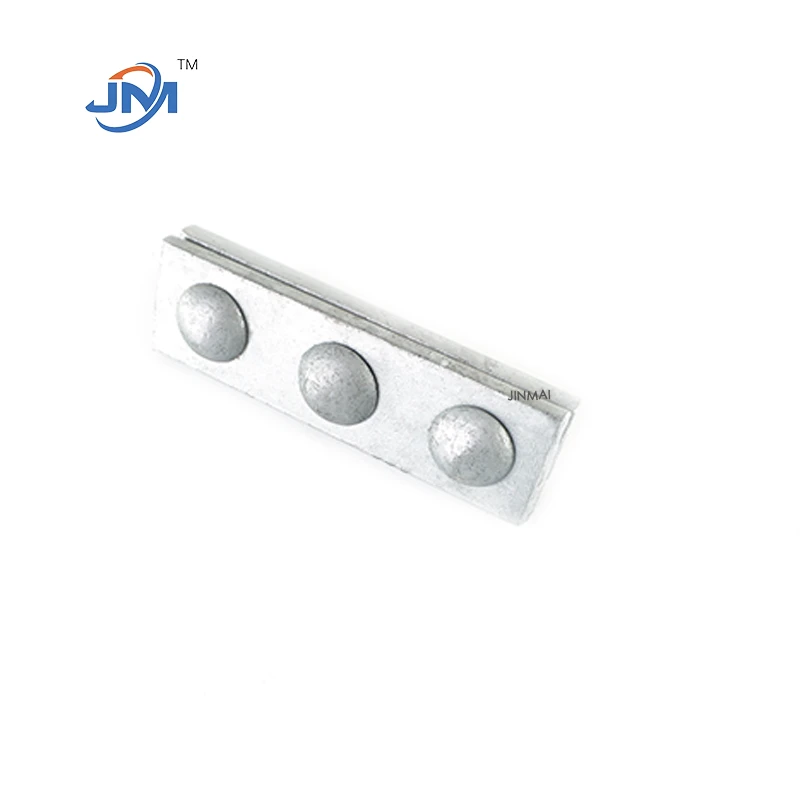
The Hot Dip Galvanized Three Bolt Wire Clamp is commonly used in electrical and telecommunications applications to secure wires and cables. Tolerance stack-up in the assembly of the metal stamping parts can result in uneven tightening of the bolts, leading to loose connections and potential safety hazards. By using precision manufacturing techniques and conducting thorough quality inspections, we were able to ensure that the parts were assembled with the correct torque and alignment, providing a reliable and safe wire clamp.
Conclusion
Tolerance stack-up is a complex issue that can have a significant impact on the assembly of metal stamping parts. As a metal stamping parts supplier, it is our responsibility to understand the causes and effects of tolerance stack-up and implement effective strategies to manage and minimize its impact. By working closely with our customers, optimizing the design and manufacturing processes, and conducting thorough tolerance analysis, we can ensure the high quality and reliability of our products.
If you are facing tolerance stack-up issues in the assembly of metal stamping parts or are looking for a reliable supplier for your metal stamping needs, we would be happy to help. Contact us today to discuss your requirements and learn more about how we can provide you with high-quality metal stamping parts that meet your specifications.
References
- "Tolerance Analysis in Mechanical Design" by Robert G. Budynas and J. Keith Nisbett
- "Metal Stamping Handbook" by George E. Dieter
- "Assembly Tolerance Analysis and Optimization" by K.C. Gupta and S.K. Soni