Yo, what's up everyone! I'm a supplier of steel cross arms, and today I wanna have a chat about whether steel cross arms can be used in high - altitude areas. It's a question that I've been getting a lot lately, so let's dive right in.
First off, let's talk about what high - altitude areas are like. High - altitude areas typically have lower air pressure, lower temperatures, and more intense UV radiation compared to lower - altitude regions. These environmental factors can have a significant impact on the materials and structures used in electrical transmission and distribution systems.
When it comes to steel cross arms, they've got some pretty solid features that make them seem like a good fit for high - altitude areas. Steel is known for its strength and durability. It can withstand high winds and heavy loads, which are common in high - altitude areas where weather conditions can be quite extreme. The strong mechanical properties of steel ensure that the cross arms can support the weight of power lines and other equipment without easily deforming or breaking.
One of the key concerns in high - altitude areas is corrosion. The combination of low temperatures, high humidity in some cases, and increased exposure to certain chemicals in the air can accelerate the corrosion process. But here's the thing, modern steel cross arms often go through a hot - dip galvanizing process. This process coats the steel with a layer of zinc, which acts as a sacrificial anode. The zinc corrodes first, protecting the underlying steel from rust and other forms of corrosion. It's a really effective way to extend the lifespan of the steel cross arms, even in harsh high - altitude environments.
Another aspect to consider is the impact of UV radiation. High - altitude areas usually get more direct sunlight, which means more UV rays. UV radiation can cause damage to some materials over time, but steel is relatively resistant to it. Unlike some plastics or composites that might degrade under long - term UV exposure, steel can maintain its structural integrity.
Now, let's look at some related products that can work in conjunction with steel cross arms in high - altitude areas. For example, the Hot Dip Galvanized Thimble Clevis For Dead End. This thimble clevis is also hot - dip galvanized, so it shares the same corrosion - resistant properties as the steel cross arms. It's used for dead - end connections in power lines, and its robust design makes it suitable for the tough conditions in high - altitude areas.

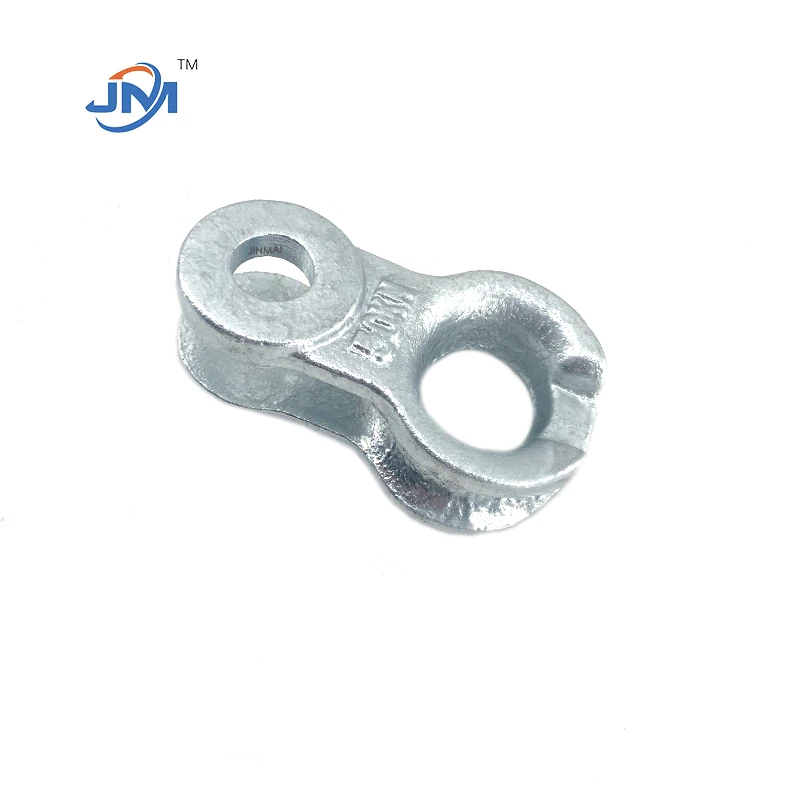
The Thimble Eyelet is another useful component. It can be used for various connection purposes in the electrical system. Just like the other products, its construction and finish make it capable of withstanding the challenges presented by high - altitude environments.
And then there's the Bolted Type Tension Clamp. This clamp is used to hold power lines in place and maintain the right tension. In high - altitude areas, where wind and temperature changes can affect the tension of the lines, a reliable tension clamp is crucial. The bolted type design provides a secure and stable connection, and its steel construction ensures durability.
However, using steel cross arms in high - altitude areas isn't without its challenges. The cold temperatures can make the steel more brittle. At extremely low temperatures, the ductility of steel decreases, which means it's more likely to crack under stress. To mitigate this, special steel alloys can be used. These alloys are designed to have better low - temperature performance, maintaining a certain level of flexibility even in freezing conditions.
Transportation and installation can also be tricky in high - altitude areas. The terrain is often rough, and access to the installation sites can be difficult. Heavy steel cross arms need to be transported carefully to avoid damage. And during installation, workers need to take extra precautions due to the thin air and cold weather, which can affect their physical performance.
In conclusion, steel cross arms can definitely be used in high - altitude areas. Their strength, corrosion resistance, and ability to withstand UV radiation make them a viable option. With the right design, materials, and installation practices, they can serve effectively in electrical transmission and distribution systems in these challenging environments.
If you're in the market for steel cross arms or any of the related products I mentioned, such as the Hot Dip Galvanized Thimble Clevis For Dead End, Thimble Eyelet, or Bolted Type Tension Clamp, I'd love to have a chat with you. Whether you're working on a project in a high - altitude area or anywhere else, I can provide you with high - quality products and professional advice. Don't hesitate to reach out for more information and to start a procurement discussion.
References
- Steel Structures in Extreme Environments: A Technical Overview. Industry Research Report.
- Corrosion Prevention in High - Altitude Electrical Systems. Journal of Electrical Engineering and Materials.