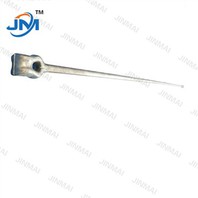
Hey there! As a supplier of Pole Line Hardware, I've seen firsthand the importance of safety when working with this equipment. Pole line hardware is used in a variety of applications, from power distribution to telecommunications, and it's crucial that everyone involved in its installation, maintenance, and use follows proper safety precautions. In this blog post, I'll share some of the key safety measures you should take when working with pole line hardware.
Pre - work Preparations
Before you even start working with pole line hardware, there are a few things you need to do. First off, make sure you've got the right training. Handling pole line hardware isn't a DIY job for the untrained. You should have completed a comprehensive safety training program that covers all aspects of working with this kind of equipment. This includes understanding electrical hazards, proper lifting techniques, and how to use safety equipment correctly.
Next, conduct a thorough site inspection. Look for any potential hazards such as nearby power lines, unstable ground, or adverse weather conditions. If there are any power lines in the vicinity, make sure you know the proper clearance distances. You don't want to get too close and risk an electrical accident.
Also, check your tools and equipment. All your tools should be in good working condition. Faulty tools can not only cause the job to go wrong but also put you at risk of injury. Inspect things like wrenches, pliers, and lifting equipment for any signs of damage or wear.
Personal Protective Equipment (PPE)
Wearing the right PPE is non - negotiable when working with pole line hardware. First up, you need a good quality hard hat. It'll protect your head from falling objects, which is a real risk when you're working on poles or handling heavy hardware.
Safety glasses are also essential. They'll shield your eyes from debris, dust, and any small particles that might fly up during the installation or maintenance process. You don't want something getting into your eyes and causing an injury.
Gloves are another must - have. They'll protect your hands from cuts, abrasions, and electrical shocks. Make sure you choose gloves that are appropriate for the task at hand. For example, if you're handling sharp edges, you'll need cut - resistant gloves.
And don't forget about safety boots. They should have steel toes to protect your feet from heavy objects that might accidentally fall on them. They also need to provide good traction to prevent slips and falls, especially when you're working on uneven or wet surfaces.
Working with Specific Pole Line Hardware
Cross Arm
When working with Cross Arm, you need to be careful during installation. Cross arms are usually heavy, so you'll need proper lifting equipment. Use a hoist or a crane to lift the cross arm into place. Make sure the lifting equipment is rated for the weight of the cross arm.
During installation, ensure that the cross arm is properly secured to the pole. Use the right bolts and nuts, and tighten them to the specified torque. A loose cross arm can pose a serious safety risk, as it might fall off and cause injury or damage to equipment.
Hypo Clamp
Hypo Clamp is used to secure cables and wires. When installing hypo clamps, make sure you follow the manufacturer's instructions. The clamps need to be tightened just enough to hold the cable securely without damaging it.
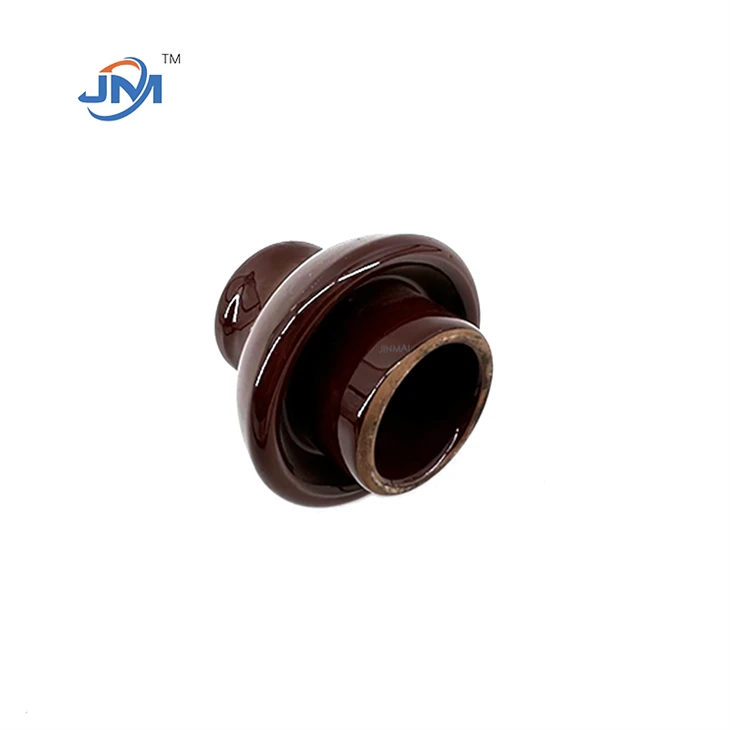
Check the condition of the hypo clamps regularly. Over time, they can corrode or become loose. If you notice any signs of damage or wear, replace the clamps immediately. A loose hypo clamp can cause the cable to come loose, which can lead to electrical problems or even a safety hazard.
Insulator
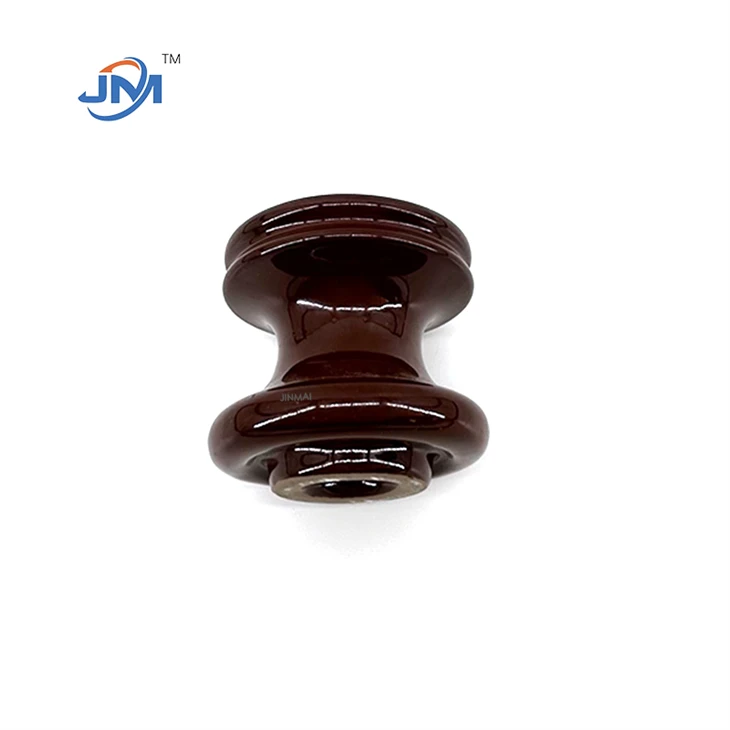
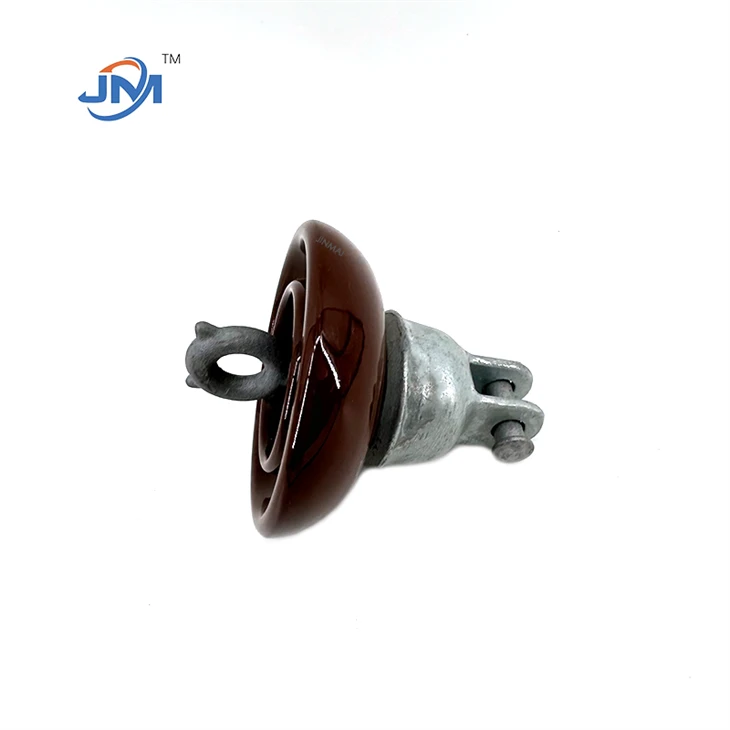
Insulator is crucial for preventing electrical shocks. Before installing an insulator, inspect it carefully for any cracks or damage. A damaged insulator won't provide the necessary protection against electricity.
When handling insulators, be gentle. They're often made of brittle materials, so dropping or hitting them can cause them to break. During installation, make sure the insulator is properly seated and connected. A poorly installed insulator can lead to electrical leakage and pose a significant safety risk.
Electrical Safety
Electrical safety is a top priority when working with pole line hardware. If you're working on a live line, you need to follow strict safety procedures. First, use insulated tools. These tools are designed to prevent electrical current from flowing through them, protecting you from shocks.
Before you start working, make sure you know the location of the circuit breaker. In case of an emergency, you need to be able to quickly shut off the power. And always assume that a line is live unless you've verified that it's been de - energized.
If you're working near high - voltage lines, use a non - contact voltage detector to check for the presence of electricity. This simple tool can help you avoid getting too close to live wires.
Working at Heights
A lot of pole line hardware work involves working at heights. If you're climbing a pole, use a proper climbing harness and make sure it's securely attached to the pole. Inspect the climbing equipment before each use to ensure it's in good condition.
When you're on the pole, maintain three points of contact at all times. This means having either two hands and one foot or two feet and one hand in contact with the pole. It'll help you stay balanced and reduce the risk of falling.
Also, be aware of your surroundings. Don't overreach or make sudden movements that could throw you off balance. And if the weather is bad, such as during high winds or rain, it might be best to postpone the work until conditions improve.
Post - work Procedures
After you've finished working with pole line hardware, there are still some important steps to take. First, clean up your work area. Remove any tools, debris, or leftover hardware. This not only keeps the site tidy but also reduces the risk of someone tripping over something.
Inspect the installed hardware one last time to make sure everything is in place and secure. If you've made any changes or repairs, test the equipment to ensure it's working properly.
Finally, document your work. Keep a record of what you've done, including any safety issues you encountered and how you resolved them. This documentation can be useful for future reference and for compliance purposes.
Conclusion
Working with pole line hardware can be a dangerous job, but by following these safety precautions, you can significantly reduce the risk of accidents and injuries. Remember, safety should always be your top priority. Whether you're installing a Cross Arm, a Hypo Clamp, or an Insulator, make sure you're properly trained, use the right PPE, and follow all safety procedures.
If you're in the market for high - quality pole line hardware, we're here to help. We offer a wide range of products that meet the highest safety standards. Contact us for more information and to start a procurement discussion.
References
- Electrical Safety Standards for Utility Workers, National Electrical Safety Code
- OSHA Guidelines for Working at Heights
- Manufacturer's Instructions for Pole Line Hardware Products